
Violence affects people of all ages and identities – women, men, children, adolescents and those in vulnerable circumstances. It contributes to poor health, deepens inequality and undermines development globally.
At the GVHC, we conduct rigorous, interdisciplinary research to understand the causes and consequences of gender-based violence and to identify effective ways to prevent and respond to it.
Our work provides the evidence policymakers, practitioners and communities need to strengthen systems, inform programmes and improve lives.
As a World Health Organization Collaborating Centre since 2019, we connect global data with local realities to accelerate progress toward a world free from violence.
Founded at LSHTM in 2006, the GVHC has developed into a thriving team of globally recognised researchers, drawing expertise from epidemiology, health systems and policy, social science, anthropology and economics research.
Our strength lies in collaboration – with community organisations, governments, global agencies and academic partners across continents. Together, we co-design studies, translate findings into practice and influence policies that prevent violence and save lives.
GVHC is recognised internationally for its leadership in generating high-quality evidence and shaping responses to gender-based violence across health and development sectors.
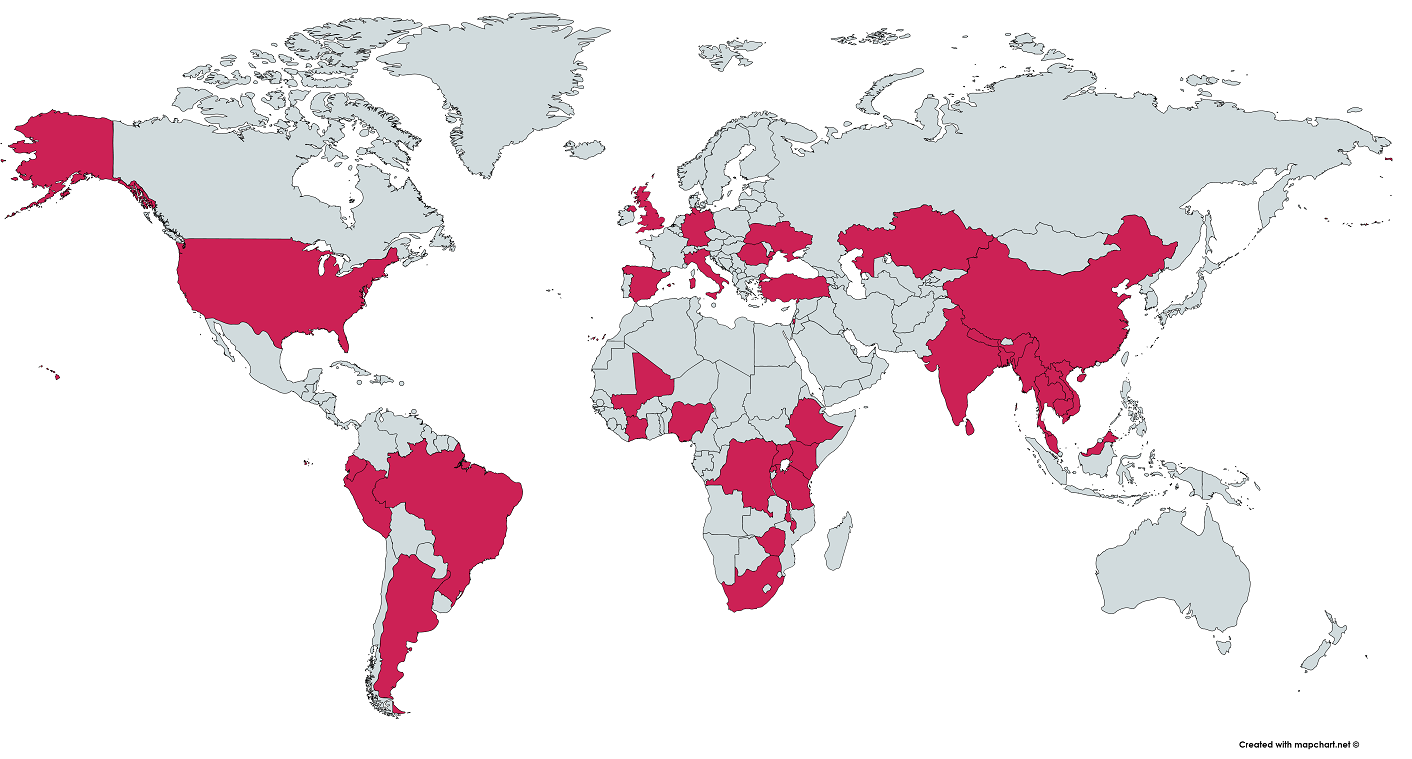
Our research spans more than 40 countries across Africa, Asia, Latin America and Europe, including conflict affected regions, mobile populations and multi-country studies.
We study violence in diverse settings – from urban neighbourhoods to rural communities, workplaces and schools – using innovative mixed methods and participatory approaches.
By working across borders and breaking silos, we ensure that evidence travels further and change happens faster.
Our research addresses interconnected themes that reflect the complexity of violence against children, adolescents, and women and its impact on health:
- Understand & measure
- Prevent
- Respond
- Influence (global evidence & policy)
Through these themes, we test what works – from grassroots interventions to large-scale system reforms – generating knowledge that drives sustainable progress.
Who we are
The Gender Violence & Health Centre (GVHC) at the London School of Hygiene & Tropical Medicine (LSHTM) is a global leader in research and action to end violence and advance gender and health equity – across borders, disciplines and communities.
Based across LSHTM and The Medical Research Council/Uganda Virus Research Institute and LSHTM Uganda Research Unit, we bring together world-class researchers, practitioners and partners to generate evidence that drives impact, improving lives, strengthening systems and shapes global policy.
Where we work
Gender-based violence is a global challenge – our work spans every region. We partner across continents (Argentina, Bangladesh, Brazil, Kenya, Nepal, UK, USA and beyond) and make joint progress with communities, NGOs and governments. We believe knowledge rooted in context drives change.
Our vision
By illuminating what drives violence and what stops it, we empower decision-makers, communities and survivors to act, to create a world where everyone is safe, supported and free from violence.
Our mission
We are a multidisciplinary team dedicated to transforming evidence into action. We uncover the root causes of gender-based violence, partner with communities and institutions worldwide, and drive large-scale change through research, collaboration and empowerment.
We conduct rigorous, action-oriented research to understand, prevent and respond to not only gender-based violence, but violence against children, adolescents and men. By working hand-in-hand with survivors, communities, and policymakers, we turn evidence into impact – strengthening systems, shaping policy and inspiring social transformation.
View the history of the GVHC.
Our themes
Our research explores the intersections between violence and health across multiple areas.
Understand & measure
Generating robust evidence on the causes, prevalence and consequences of violence to inform effective action.
Prevent
Identifying what works to prevent violence before it occurs and developing and evaluating strategies to support safer communities and individuals.
Respond
Strengthening systems, services and policies for those affected by violence to ensure interventions are effective, accessible and evidence-based.
Influence
Translating research into policy and practice to ensure evidence informs decision-making and drives change at local, national and global levels.
Our strategic goals
- Strategic goals
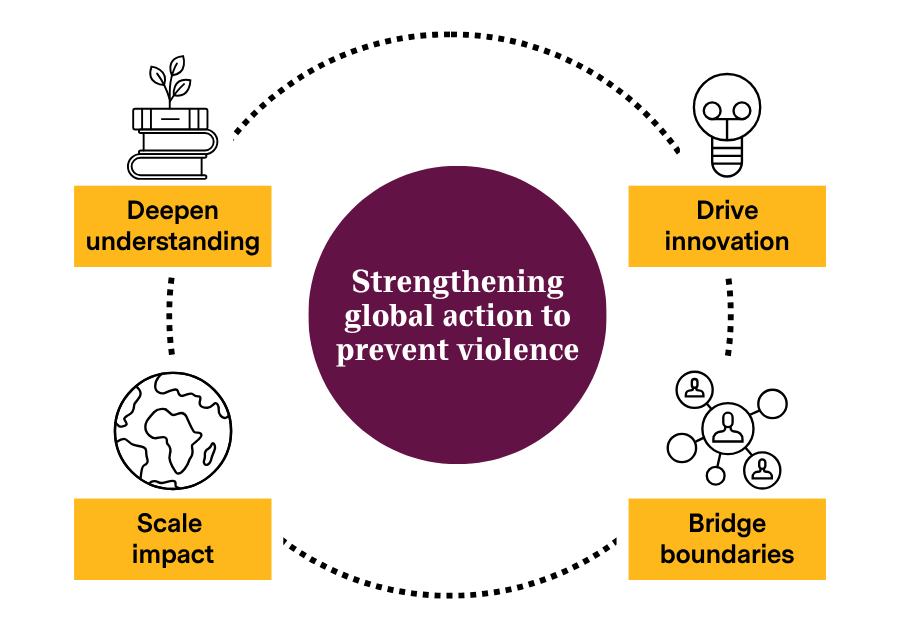
- Deepen understanding: Advance theory and evidence on the causes, consequences, and prevention of GBV through longitudinal, mixed-method and cross-country research.
- Drive innovation: Co-develop and evaluate interventions that transform systems and social norms, integrating gender-based violence prevention into health, education and humanitarian responses.
- Bridge boundaries: Connect work across populations, settings and disciplines, linking violence against women, children, and migrants, health, economics and policy.
- Scale impact: Translate evidence into policies, programmes and practice that work, supporting governments and global agencies to act on proven solutions.
- Values
- Equity: We challenge power imbalances and centre the voices of survivors and communities.
- Collaboration: We believe lasting change happens when knowledge crosses borders and disciplines.
- Decolonial and participatory/inclusive approaches: We co-create research and solutions, ensuring our work is locally rooted and globally relevant.
- Integrity and care: We uphold the highest ethical standards in all we do, with safety and respect at the heart of our practice. ontent.

Manuela
Colombini
Associate Professor

Nambusi
Kyegombe
Associate Professor

Meghna
Ranganathan
Associate Professor
Tanya
Abramsky
Research Fellow

Loraine
Bacchus
Professor of Global Public Health

Venetia
Baker
Research Fellow in Gender Violence and Health

Ana Maria
Buller
Associate Professor

Rose
Burns
Assistant Professor
Karen
Devries
Professor of Social Epidemiology

Emily
Eldred
Research Fellow

Mitzy
Gafos
Professor - Social Science Global Health

Maria
Gargiulo
Research Student - MPhil/PhD - Epidemiology & Population Health

Annabelle
Gourlay
Assistant Professor
Sheila
Harvey
Associate Professor

Nour
Horanieh
Research Fellow

Susan
Kelly
Research Fellow in Social Science
Ligia
Kiss
Associate Professor - Intervention Research - Child Domestic Work

Shelley
Lees
Professor Anthropology of Public Health
Joelle
Mak
Assistant Professor

Mark
Marchant
Research Fellow

Kate
Nelson
Research Student - MPhil/PhD - Epidemiology & Population Health

Jodie
Pearlman
Research Fellow

Isabelle
Pearson
Research Fellow

Marjorie
Pichon
Research Fellow

Vishna
Shah
Research Fellow
Nerissa
Tilouche
Research Fellow

Marcella
Vigneri
Research Fellow

Yang
Zhao
Assistant Professor

Cathy
Zimmerman
Professor
Dan Biswas
Research Student - MPhil/PhD
Anita
Dasilva-ibru
Research Student - MPhil/PhD - Public Health & Policy
Iram
Hashmi
Research Student - DrPH - Epidemiology & Population Health
Aye Thiri Kyaw
Research Student - MPhil/PhD - Global Health & Development
Sophia Lobanov-Rostovsky
Research Student - MPhil/PhD - Public Health & Policy
Mahesh
Mathpati
Research Student - MPhil/PhD - Public Health & Policy
Zhen Ling (Alyson) Ong
Research Student - MPhil/PhD - Global Health & Development

Tobias
Shinyemba
Research Student - Epidemiology & Population Health (Occasional)

Marie-Céline
Schulte
Research Student - MPhil/PhD - Epidemiology & Population Health
Tanya
Wells brown
Research Student - DrPH - Public Health & Policy
Dahye Yim
Research Student - MPhil/PhD - Global Health & Development

Research at the Gender Violence and Health Centre spans the full evidence-to-impact pathway, from understanding and measuring violence to preventing harm, strengthening responses, and influencing policy and practice.
Our members work across a diverse portfolio of projects addressing violence against women and girls, and violence affecting children and adolescents. Taking an action-oriented approach, we partner with policymakers, practitioners, advocates and communities to generate the evidence needed to create meaningful and lasting change in systems, policy and society.
Our work also extends into traditionally under‑studied populations, such as men in same‑sex relationships, as well as those experiencing violence in fragile and humanitarian settings, ensuring the full spectrum of violence is captured.
We organise our work across four interconnected themes, united by a shared commitment to create a world where everyone is safe, supported and free from violence.
Understand & measure
GVHC leads pioneering research to understand the causes, prevalence and consequences of gender-based violence across diverse contexts.
Our work provides the foundational data used by global and community-based institutions to understand and monitor violence and identify social and structural factors that contribute to risk. By improving the accuracy and consistency of measurement, we help governments and organisations track progress toward global goals and design more effective strategies.
Prevent
GVHC’s prevent theme focuses on developing, implementing and evaluating interventions that prevent violence before it occurs by empowering communities through economic strengthening, transforming social norms, and addressing underlying gender and structural inequalities. Our members work closely with local partners to test real-world solutions and identify the mechanisms that make prevention effective and sustainable over time.
Respond
Research at the GVHC is strengthening response to violence by improving the systems, services, policies and interventions at local, national and global levels. GVHC works alongside practitioners, service providers, communities and policymakers to co-design and evaluate approaches that promote safety, recovery and justice. Our research is survivor-centred and examines how responses can be made more effective, accessible and equitable across diverse contexts.
Influence
This theme focuses on translating research into action by ensuring evidence informs policy and practice at local, national and global levels. GVHC works closely with governments, international organisations, civil society partners and affected communities to promote evidence-informed decision-making and strengthen accountability. Through policy engagement, knowledge exchange, and strategic partnerships, we aim to ensure research contributes to meaningful systems change to make communities safer for all.
Ongoing projects
- Extent, causes and consequences of violence against women
- Cyberviolence is a relatively new area of study and little research has been conducted in low- and middle-income countries. Online and information and communication technology (ICT) violence, often linked with offline violence, disproportionally affects women, girls and sexual and gender minorities. The main aim of this study will be to explore the prevalence and characteristics of electronically facilitated violence and its links with in-person gender-based violence among young people in Mwanza, Tanzania. The study will consist of two stages; the first stage will be an exploratory qualitative phase to explore in-depth the forms of cyberviolence which male and female students at higher learning colleges experience from their intimate partners and other people of the opposite sex, and how it relates to the other forms of intimate partner violence experienced through face-to-face interactions. Drawing on this qualitative research and other tools, the quantitative survey among female and male college students seeks to explore prevalence, patterns and associations of Cyberviolence. Main contacts: Dr Ana Maria Buller, Dr Heidi Stöckl, Dr Gerry Mshana
- Collaboration on the mechanisms and pathways of infidelity and romantic jealousy in intimate partner violence worldwide. Main contacts: Dr Ana Maria Buller, Marjorie Pichon
- LSHTM Learning Initiative on Social Norms and Gender-related harmful practices: Community of practice of practitioners, donors, and scholars investigating the role of social norms in influencing various gender-related harmful practices in low- and mid-income countries. Main contact: Dr Ben Cislaghi
Dr Manuela Colombini and Dr Loraine Bacchus
- Situation analysis on the intersections between Violence against Women (VAW) and Violence against Children (VAC) in the Middle East and North Africa (MENA) Region: The proposed study aims to understand the legal and policy context in relation to the intersections between VAC and VAW in the MENA Region. Key objectives include: (i) conduct a document analysis of legal and policy framework on VAW and VAC in 3 selected countries, and (ii) develop methodology and conduct situation analyses in 3 countries to identify opportunities and challenges across existing policies and programmes that straddle both fields with focus on service level models across key sectors. Main contacts: Dr Manuela Colombini and Dr Loraine Bacchus
- Investigating the predictors of intimate partner violence: A mixed method longitudinal study of 1200 women in Mwanza, Tanzania over four time points to establish the temporal changes in IPV and to explore risk and protective factors. Main contacts: Dr Heidi Stöckl, Dr Sheila Harvey, Dr Saidi Kapiga and Asungushe Kayombo
- Conceptualising, defining and measuring sexual harassment: an exploratory study in Tanzania. Main contacts: Dr Heidi Stöckl, Dr Meghna Ranganathan, Bathsheba Mahenge
- Understanding and measuring violence by and against men in Tanzania. Main contacts: Dr Heidi Stöckl, Dr Sheila Harvey and Asungushe Kayombo
- Prevention of violence against women
- MAISHA: Preventing violence against women in Tanzania: Randomized control trials and mixed methods study with the overall aims of: 1) evaluating a social empowerment intervention to prevent intimate partner violence against women; and 2) gaining further insights into the different forms of violence against women, the drivers of violence against women, and the consequences of violence against women. Main contacts: Dr Sheila Harvey, Dr Shelley Lees and Dr Saidi Kapiga
SPIR (Strengthen PSNP4 Institutions and Resilience) is a randomised control trial evaluating livelihood and nutrition complementary training programs in addition to the national cash for work program in Ethiopia. GHVC is involved in conducting a nested qualitative study within the larger SPIR RCT, analysing the impact of the different trainings on intimate partner violence. Main contats: Dr Meghna Ranganathan and Dr Ana Maria Buller
- Collaboration on engaging men in intimate partner violence prevention trials. Main contact: Dr Heidi Stöckl
- Proof of concept study to prevent violence against women. Addressing child maltreatment and sexual violence among adolescent boys in Nigeria. Main contacts: Dr Heidi Stöckl, Prof Cathy Zimmerman, Isabelle Pearson, and Dr. Kemi DaSilva
- Technology facilitated violence
Ana Maria Buller, Gerry Mshana, Heidi Stöckl
Collaboration between National Institute for Medical Research (NIMR), London School of Hygiene & Tropical Medicine (LSHTM) and Ludwig Maximilian University of Munich (LMU), Germany will explore the prevalence and characteristics of technology facilitated violence, and its links with in-person gender-based violence among young people in Mwanza, Tanzania. The research has two stages, firstly to conduct interviews and focus groups to explore the forms in technology facilitated violence and develop a survey based on this research. A survey will be conducted among female and male college students to explore the prevalence, patterns and associations of technology facilitated violence.- Violence against sex workers
- Maisa Fiti: A study among women in Nairobi, Kenya. This 3-year, MRC/DFID funded study will examine the direct and indirect pathways through which violence against women increases their risk of HIV acquisition and disease progression. This includes examining the mental health and stress impact of violence experience and exploring how these relate to changes in systemic and genital inflammation. Main contact: Dr Tara Beattie
- Violence against children and adolescents
- Collaboration with the University of East London on FReDA (Family Recovery after Domestic Abuse) which is a feasibility randomised trial and nested process evaluation of a group based psychoeducational intervention for children aged 7 to 11 exposed to domestic violence and abuse. Main contact: Loraine Bacchus
- Learning Initiative on Norms Exploitation and Abuse (LINEA): LINEA is an international, multi-pronged project testing how social norm theory can be used to reduce the sexual exploitation of children and adolescents (SECA) in regions across the world. Main contacts: Dr Ana Maria Buller and Marjorie Pichon
Dr Manuela Colombini and Dr Loraine Bacchus
- Situation analysis on the intersections between Violence against Women (VAW) and Violence against Children (VAC) in the Middle East and North Africa (MENA) Region: The proposed study aims to understand the legal and policy context in relation to the intersections between VAC and VAW in the MENA Region. Key objectives include: (i) conduct a document analysis of legal and policy framework on VAW and VAC in 3 selected countries, and (ii) develop methodology and conduct situation analyses in 3 countries to identify opportunities and challenges across existing policies and programmes that straddle both fields with focus on service level models across key sectors. Main contacts: Dr Manuela Colombini and Dr Loraine Bacchus
- Pilot Trial of Good School Toolkit for secondary schools - Pilot RCT of a complex VAC prevention intervention in secondary schools (Uganda). Main contacts: Prof Karen Devries and Louise Howard
- Preventing Violence Against Children in and around Schools in Nyarugusu refugee camp. PVAC is a cluster randomised controlled trial of a school-based intervention that uses cognitive behavioural therapy to change teachers’ attitudes, beliefs, and behaviours towards corporal punishment. The study also includes qualitative research, a process evaluation and economic evaluation. Main contacts: Prof Karen Devries and Camilla Fabbri
- Contexts of Violence in Adolescence Cohort Study (CoVAC): CoVAC is a new 5 year longitudinal study examining how experience of violence in adolescence can lead to increased risk of intimate partner violence, poor mental health, and other poor health outcomes in early adulthood. (Uganda). Main contacts: Prof Karen Devries and Louise Knight
- Improving measures of the gender dimensions of young women’s risk of HIV through transactional sex in Uganda. Main contact: Dr Nambusi Kyegombe
- Expanding and building upon DREAMS evaluation –Evaluating the effect of MTV Shuga on sexual health and HIV prevention in adolescents and young adults in South Africa. Main contacts: Dr Isolde Birdthistle, Sian Floyd, Dr Shelley Lees and Dr Nambusi Kyegombe
- Improving measures of the gender dimensions of young women’s risk of HIV through transactional sex in Uganda. Main contact: Dr Nambusi Kyegombe
- The UKRI GCRF Accelerating Achievement for Africa’s Adolescents Hub is comprised of an interdisciplinary team with worldwide partners. The aim of the hub is to offer adolescents across Africa the opportunities to lead better, safer lives. Main contacts: Dr Heidi Stöckl, Prof Karen Devries and Louise Knight
- Health outcomes of child domestic workers. Main contacts: Prof Cathy Zimmerman and Dr. Nicola Pocock
- Health systems and service responses to violence
- The impact of Covid-19 lockdown on the help-seeking behaviour of survivors of violence and on service provision responding to violence against women in South Africa, funded by the LSHTM COVID Response Fund (2021-22). Conducted in collaboration with the South African Medical Research Council, the study aims to analyse the impact of the Covid-19 national lockdown on: a) help-seeking behaviour of women who experienced violence, and b) the extent to which health and psychosocial services responded to VAWG in Gauteng province. Main contact: Dr Manuela Colombini
- Protocol development for WHO mulit-country evaluation study of the One-Stop Centre (OSC) model for delivering violence against women services. Main contact: Dr Manuela Colombini
- Humanitarian crisis and conflict settings
- Co-Investigator with London School of Economics on the Gender, Justice and Security UKRI GCRF Hub led by the London School of Economics. The Methodological Innovation work stream is conceptualising and measuring health and inequality and its contributions to peace and security. Current global indices and monitoring and evaluation tools do not link long-term peace and security with gender-based violence and health. Specifically, the research will develop and test a Women, Peace, Security and Health Index. Main contacts: Dr Mazeda Hossain, Dr Loraine Bacchus
- Social Norms Mentorship Project
Ben Cislaghi, Michelle Lokot, Anja Zinke-Allmang
- SNMP is a set of comprehensive training packages on the theory and application of social norms in public health programmes and research. SNMP consists of three tracks of training packages to best fit your team’s learning needs. Materials are dynamic, with concrete outputs. A mentorship component is provided in the third track for sustained support.
- Evaluation of social norms interventions to prevent gender based violence
- A cluster randomised controlled trial evaluating the LINEA (Learning Initiative on Norms, Exploitation and Abuse) intervention; a complex social norms intervention aimed at preventing age-disparate transactional sex in Tanzania. Main contacts: Dr Ana Maria Buller and Marjorie Pichon
- The SASA! Together Radio Booster Study created and implemented a 33-episode radio drama based on SASA! Together content and structure, to be broadcast alongside SASA! Together community activities in Kasese District, Western Uganda. The mixed-methods evaluation study aimed to assess the extent to which the radio drama expanded the reach of SASA! Together, geographically and among different demographic sub-groups within the communities, and the degree to which listening to the drama boosted participation in other SASA! Together activities. Designed as a proof of concept study, it also aimed to assess change in attitudes relating to gender and VAW, relationship dynamics and bystander intentions/behaviours among community members in SASA! Together villages, and explore differences in these attitudes/behaviours between radio drama listeners and non-listeners. Main contact: Dr Ana Maria Buller
Completed projects
- Extent, causes and consequences of violence against women
- Formative research on exploitative aspects of transactional sex in Uganda and Tanzania: Qualitative research on exploitative aspects of transactional sex in Uganda and Tanzania. Main contacts: Dr Ana Maria Buller and Dr Nambusi Kyegombe
- Global Burden of Disease Study: Main contacts: Prof Karen Devries, Prof Charlotte Watts and Dr Loraine Bacchus
- MAISHA: Preventing violence against women in Tanzania. Randomized control trial and mixed methods study with the overall aims of: 1) evaluation a social empowerment intervention to prevent intimate partner violence against women; and 2) gaining further insights into the different forms of violence against women; the drivers of violence against women, and the consequences of violence against women. Main contacts: Dr Sheila Harvey, Dr. Shelley Lees, Dr Saidi Kapiga
- Indashyikirwa Evaluation: An impact evaluation of a community IPV prevention programme implemented from August 2014-August 2018 in rural Rwanda as part of the Global What Works to Prevent Violence against Women and Girls Programme. Main contact: Dr Erin Stern, Dr Lori Heise
- GCRF Economic empowerment and intimate partner violence in Sub-Saharan Africa: Secondary data analysis on economic empowerment and intimate partner violence. Main contacts: Dr Heidi Stöckl, Dr Meghna Ranganatha and Dr Shelley Lees
- Measuring Sustainable Development Goal 5.2.: Creating a WHO database for measuring progress for SDG 5.2. Main contact: Dr Heidi Stöckl
- Understanding partner violence during pregnancy and identifying interventions for its prevention and reduction: Secondary data analysis on IPV during pregnancy in Tanzania. Main contact: Dr Heidi Stöckl
- Multivariate analysis of the relation between MDG 3, 4, 5 and 6: Secondary data analysis of associations between HIV and indicators of women’s empowerment: Main contacts: Dr Heidi Stöckl and Prof Charlotte Watts
- Empowering pregnant women in Tanzania to address the double burden of intimate partner violence and HIV: a mixed methods research study: Secondary data analysis postdoctoral fellowship on IPV and HIV in Tanzania. Main contact: Dr Heidi Stöckl
- Intimate partner homicide: Systematic review of the global prevalence of intimate partner homicide – part of the Global Burden of Disease study. Main Contact: Dr Heidi Stöckl
- STRIVE: Research consortium investigating the social norms and inequalities that drive HIV structural drivers for HIV. Main contact: Prof Charlotte Watts, Dr Lori Heise, Dr Mitzy Gafos, Dr Meghan Ranganathan, Dr Tara Beattie
- WHO multi-country study on women’s health and domestic violence. The WHO Multi-country Study on Women’s Health and Domestic Violence against Women was a ground-breaking effort to document the prevalence of intimate partner violence and other forms of violence against women using population-based sampling. It was initially carried out in 15 sites in 10 countries. The study was implemented by WHO, in collaboration with LSHTM, PATH and research institutions and women’s organisations in the participating countries. Main contacts: Prof Charlotte Watts and Dr Lori Heise
- Mathematical modelling of the risk of sexual violence and HIV in conflict settings: Publications on sexual violence in conflict settings were reviewed and a mathematical model describing the probability of HIV acquisition was adapted to include the potential effect of genital injury and used to estimate the relative risk of HIV acquisition in ‘conflict’ versus ‘non-conflict’ situations. An analytical equation was developed to estimate the impact of SV on HIV incidence. Main contacts: Prof Charlotte Watts
- Prevention of violence against women
- Samvedana Plus: CRT of intervention to reduce IPV and increase consistent condom use among female sex workers in north Karnataka, India. Main contact: Dr Tara Beattie
- Project Samata (Equality): to support adolescent girls from marginalised communities to enter and remain in secondary school until completion (aged 16), and thereby delay their age at marriage and potential entry into sex work, India. Main contact: Dr Tara Beattie
- Qualitative impact evaluation of RCT on CT, food and vouchers and IPV (Ecuador). Main contact: Dr Ana Maria Buller
- Review of the global evidence on pathways by which cash transfers impact IPV: Systematic review/secondary data analysis of the pathways through which cash transfers impact on IPV. Main contact: Dr Ana Maria Buller, Dr Meghna Ranganathan and Dr Lori Heise
Dr Manuela Colombini and Dr Loraine Bacchus
- UNICEF funded systematic review study on effective interventions that seek to prevent and/or respond to intimate partner violence against women and child maltreatment.
- The SASA! Study: Mixed-methods evaluation of a community mobilisation intervention to prevent violence against women and reduce HIV risk in Kampala, Uganda. (Cluster randomised trial, process evaluation, qualitative study, costing study). Main contact: Prof Karen Devries, Tanya Abramsky, Dr Ligia Kiss and Prof Charlotte Watts
- STRIVE: Research consortium investigating the social norms and inequalities that drive HIV structural drivers for HIV. Main contacts: Dr Mitzy Gafos, Dr Meghna Ranganathan and Dr Tara Beattie
- Evaluation of “Education is a Conversation”: Cluster RCT of a violence prevention and reproductive and sexual health intervention in conflict-affected Northern Uganda – study dropped after formative and protocol. Main contact: Dr Mazeda Hossain
- Gender norms and economic empowerment intervention to reduce intimate partner violence against women in rural Côte d’Ivoire: a randomized controlled pilot study: RCT evaluation of Village Savings & Loan intervention + gender dialogue group. Main contact: Dr Mazeda Hossain
- Men & Women in Partnership: a cluster randomised trial of an intervention to prevent violence against women in rural Côte d’Ivoire, a conflict-affected setting: RCT evaluation of a men’s group intervention to prevent VAWG in a conflict-affected setting. Main contact: Dr Mazeda Hossain
- Evaluation guidance development for violence prevention programming in conflict settings: Guidance for violence prevention programming in conflict settings (Sub-analysis of Cote d’Ivoire research, systematic review, secondary data analysis). Main contact: Dr Mazeda Hossain
- Qualitative evaluation of the Jigisemerjiri cash transfer programme in Mali”. Main contacts: Dr Nambusi Kyegombe and Dr Shelley Lees
- Expanding and building upon DREAMS evaluation – evaluating the effect of MTV Shuga on sexual health and HIV prevention in adolescents and young adults in South Africa. Main contact: Dr Nambusi Kyegombe
- UZIKWASA: Qualitative evaluation of impact of a community based media and behaviour change programme on IPV (Tanga, Tanzania). Main contact: Dr Shelley Lees
- IMAGE longitudinal study on the scale up of the IMAGE (intervention with microfinance for AIDS and gender equity) in South Africa. Main contact: Dr Meghna Ranganathan
- Indashyikirwa Evaluation: An impact evaluation of a community IPV prevention programme implemented from August 2014-August 2018 in rural Rwanda as part of the Global What Works to Prevent Violence against Women and Girls Programme. Main contact: Dr Erin Stern, Dr Lori Heise
- What works to prevent violence against women?: DFID funded programme to eliminate violence against women – LSHTM is a core member of the consortium and is the economic evaluation lead. Main Contact: Dr Anna Vassal, Giulia Ferrari
- The Intervention with Microfinance for AIDS and Gender Equity (IMAGE) study: Cluster randomised trial of a microfinance and participatory gender training programme for the prevention of intimate-partner violence and HIV in rural South Africa. Main contact: Prof Charlotte Watts
- Violence against sex workers
- Samvedana Plus: CRT of intervention to reduce IPV and increase consistent condom use among female sex workers in north Karnataka, India. Main contact: Dr Tara Beattie
- Violence against children and adolescents
- Project Samata (Equality): to support adolescent girls from marginalised communities to enter and remain in secondary school until completion (aged 16), and thereby delay their age at marriage and potential entry into sex work, India. Main contact: Dr Tara Beattie
- Formative research on exploitative aspects of transactional sex in Uganda and Tanzania: Qualitative research. Main contact: Dr Ana Maria Buller
Dr Manuela Colombini and Dr Loraine Bacchus
- UNICEF funded systematic review study on effective interventions that seek to prevent and/or respond to intimate partner violence against women and child maltreatment.
- Good Schools Study - Evaluation of the Good Schools Toolkit to reduce violence against children in primary schools (Uganda) (CRT, qualitative study, process evaluation, economic evaluation). Main contacts:Prof Karen Devries and Louise Knight
- Adaptation of Good Schools Toolkit to secondary schools-Research to inform the adaptation of the Good Schools toolkit to prevent violence against children in secondary schools in Uganda. Main contacts: Prof Karen Devries and Louise Knight
- Access to community based child protection mechanisms for children with disabilities (Uganda and Malawi): The project assesses the extent to which children with disabilities are included in community-based child protection mechanisms, and identifies barriers/enablers to inclusion. Main contact: Prof Karen Devries
- EMPOWER: Combination HIV prevention for adolescent girls and young women: Demonstration study to evaluate an HIV prevention intervention for adolescent girls and young women that addresses gender-based violence and includes oral PrEP (South Africa and Tanzania). Main contacts: Dr Sheila Harvey, Prof Charlotte Watts and Dr Manuela Colombini
- Utoto Salaama/Peaceful Childhood-Formative research to understand and prevent sexual and other forms of violence against children in Zanzibar. Main contact: Dr Shelley Lees
- Know Violence in Childhood Initiative – Evidence reviews. Main contacts: Prof Charlotte Watts, Prof Karen Devries, Dr Manuela Colombini, Dr Loraine Bacchus, and Dr Heidi Stöckl
- Health systems and service responses to violence
- Healthcare Responding to violence and Abuse (HERA) NIHR Global Health Group on Health System Responses to Violence Against Women. Aims to understand how healthcare systems in low-and middle-income countries can integrate interventions for VAW that link with community organisations and ultimately ensure better outcomes for women and children. Main contacts: Dr Loraine Bacchus and Dr Manuela Colombini
- GCRF improving the primary the primary health care response to violence against women in low-and middle-income countries. Main contacts: Dr Loraine Bacchus and Dr Manuela Colombini
- Health sector responses to domestic violence: promising interventions in primary and maternity health care settings in Europe. European multi-country study on interventions for IPV in primary and maternity care settings Main contact: Dr Loraine Bacchus
- DOVE study: Critically exploring the use of mHealth in perinatal health visiting for women exposed to intimate partner violence (North America) Main contact: Dr Loraine Bacchus
- Multi-agency domestic violence intervention for women using maternity and sexual health services in the UK Main contact: Dr Loraine Bacchus
- ADVANCE – Addressing domestic violence in antenatal care environments: Policy analysis of how domestic violence is integrated into ANC health systems (Nepal and Sri Lanka) Main contact: Dr Manuela Colombini
- Safe & Sound: Process evaluation of RCT trial implementing a brief nurse-led counselling session for abused women attending Antenatal care in South Africa. Main contacts: Dr Manuela Colombini and Dr Heidi Stöckl
- Policy analysis and Evaluation study of the One Stop Crisis Centre Model in Malaysia. Main contact: Dr Manuela Colombini
- Integra Initiative (18 month follow-on) – qualitative subcomponent which aimed at exploring the link between HIV disclosure and risks of partner violence against women in Kenya and Swaziland. Main contacts: Dr Manuela Colombini (co-investigator) and Dr Susannah Mayhew (PI)
- EMPOWER: Combination HIV prevention for adolescent girls and young women: Demonstration study to evaluate an HIV prevention intervention for adolescent girls and young women that addresses gender-based violence and includes oral PrEP. Main contact: Dr Sheila Harvey, Prof Charlotte Watts and Dr Manuela Colombini
- Systematic evidence review of research for health in humanitarian crises (GBV and SRH): Global evidence review on health intervention evidence for the humanitarian sectors – focus on SRH and GBV. (Systematic review/secondary data analysis). Main contact: Dr Mazeda Hossain
- Intimate partner violence against men in same sex relationships
- PROVIDE: Prevalence of intimate partner violence in gay and bisexual men attending a UK sexual health clinic and pilot educational intervention for sexual health practitioners (UK). Main contacts: Dr Loraine Bacchus, Dr Ana Maria Buller and Giulia Ferrari
- Migration, human trafficking and labour exploitation
- Protecting invisible women in the European asylum system: Violence, health and female asylum seekers. Prevalence study of violence, health outcomes among female asylum seekers in the EU Main contact: Dr Mazeda Hossain and Prof Cathy Zimmerman
- Human trafficking – exploring global patterns, determinants & comparisons with regional drivers Analysis of the IOM victim of trafficking assistance data. Main contacts: Dr Heidi Stöckl, Prof Cathy Zimmerman, Camilla Fabbri
- SWIFT Evaluation of the Work in Freedom Programme in Nepal, India and Bangladesh. Main contacts: Prof Cathy Zimmerman, Dr Ligia Kiss, Dr Joelle Mak
- Stolen Smiles The health risks and consequences of women trafficked for forced sex work in the EU. Main contact: Prof Cathy Zimmerman
- Extreme Multi-country study on labour exploitation, trafficking and health in Peru, Argentina and Kazakhstan. Main contacts: Prof Cathy Zimmerman, Ligia Kiss, Dr Ana Maria Buller
- Clinical guidance for sexual and reproductive health services for trafficked women in Ukraine. Clinical SRH care for trafficked women in Ukraine Main contact: Prof Cathy Zimmerman
- STEAM (Study on Trafficking, Exploitation and Abuse in the Mekong sub-region) First quantitative study on human trafficking and health in the Mekong Main contacts: Prof Cathy Zimmerman, Ligia Kiss, Nicola Pocock
- Humanitarian crisis and conflict settings
- Gender Based Violence Research Methodologies in Humanitarian Settings. Evidence Review and recommendations for conducting research on GBV in humanitarian contexts. Main contact: Dr Mazeda Hossain
- Improving health and protection responses for male survivors of sexual violence in conflict settings. Workshop co-hosted with the All Survivors Project to understand the health and protection needs and responses for male survivors of sexual violence in conflict settings. Main contact: Dr Mazeda Hossain
- Engaging Men in Accountable Practice (EMAP) in the Democratic Republic of Congo (DRC). Cluster RCT evaluation of a community-based men’s group intervention to prevent VAWG in a conflict-affected setting. Main contact: Dr Mazeda Hossain
- Men & Women in Partnership: a cluster randomised trial of an intervention to prevent violence against women in rural Côte d’Ivoire, a conflict-affected setting. Cluster RCT evaluation of a community-based men’s group intervention to prevent VAWG in a conflict-affected setting. This study also included a cross-sectional community based study and a nested cohort study. Main contact: Dr Mazeda Hossain
- Gender norms and economic empowerment intervention to reduce intimate partner violence against women in rural Côte d’Ivoire: a randomized controlled pilot study. RCT evaluation of Village Savings & Loan intervention + gender dialogue group. Main contacts: Dr Mazeda Hossain and Prof Charlotte Watts
- Gender Based Violence Research Methodologies in Humanitarian Settings: Evidence Review and Recommendations. Research guidance for GBV researchers in humanitarian settings – methodological and ethical guidance. Main contact: Dr Mazeda Hossain
- Evaluation guidance development for violence prevention programming in conflict settings. Guidance for violence prevention programming in conflict settings. Main contact: Dr Mazeda Hossain
- Evaluation of the UNHCR Protection Strategies for refugees: Child protection, Sexual and Gender Based Violence and Education. Main contacts: Dr Mazeda Hossain and Prof Cathy Zimmerman
- Systematic evidence review of research for health in humanitarian crises: Gender Based Violence and Sexual and Reproductive Health. Global evidence review on health intervention evidence for the humanitarian sectors – focus on GBV and SRH. Main contact: Dr Mazeda Hossain
- Education is a Conversation. Cluster RCT protocol development and formative research of a violence prevention and sexual and reproductive health intervention in conflict-affected Northern Uganda. Main contact: Dr Mazeda Hossain
- Rohingya Adolescent Research Network. Research network formation for researchers, humanitarians, service providers and policymakers interested in the health, education and violence experiences and needs of stateless adolescent Rohingya refugees in Bangladesh. Main contact: Dr Mazeda Hossain
- What is an effective model of care for survivors of gender-based violence in a refugee camp? Evaluation of a GBV response service in a refugee camp: comprehensive care management with task sharing by refugee community workers. Main contact: Dr Mazeda Hossain
- Contraception without Borders. Social norms influencing modern family planning use among conflict-affected nomadic and semi-nomadic communities: Formative research using social network analysis to develop a community-based intervention. Main contacts: Dr Mazeda Hossain, Dr Ben Cislaghi, Leah Kenny and Dr Loraine Bacchus
- Disability, mental health and violence in humanitarian settings. Cross-sectional study on disability and violence among refugee women in the Dadaab refugee camps. Main contact: Dr Mazeda Hossain
- Mathematical modelling of the risk of sexual violence and HIV in conflict settings. Mathematical model describing the probability of HIV acquisition was adapted to include the potential effect of genital injury and used to estimate the relative risk of HIV acquisition in ‘conflict’ versus ‘non-conflict’ situations. An analytical equation was developed to estimate the impact of SV on HIV incidence. Main contacts: Prof Charlotte Watts, Dr Anna Foss, Prof Cathy Zimmerman, and Dr Mazeda Hossain
Violence against women
The Lancet series on Violence Against Women and Girls
Prof Charlotte Watts, Prof Cathy Zimmerman, Dr Manuela Colombini and Claudia Garcia Moreno of the WHO, co-edited an important collection of papers with The Lancet. Together with a comment by President Jimmy Carter, the papers cover:
- the evidence base on prevention
- the health sector response
- a social and gender norms approach to prevention
- programming lessons from experience
- and a call for specific action to eliminate violence against women and girls.
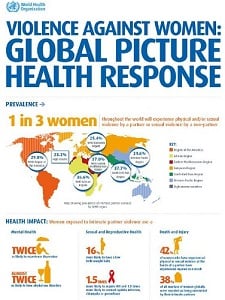
Global and regional estimates of violence against women
The first systematic study of the global prevalence of two forms of violence against women (VAW) — violence by an intimate partner and sexual violence by someone other than a partner – was undertaken by the Gender, Violence and Health Centre at the London School of Hygiene & Tropical Medicine (LSHTM), the World Health Organization (WHO) and the South African Medical Research Council.
WHO Multi-country Study on Women’s Health and Domestic Violence
WHO’s landmark study, conducted with LSHTM, documents violence against women by their intimate partners. This report presents the initial results based on evidence collected from over 24,000 women in 10 countries.
SASA!
SASA! means ‘now!’ in Kiswahili. This comprehensive approach combines tools and a systematic process for community mobilisation to prevent violence against women and HIV. SASA! was developed by Raising Voices and is being implemented in Kampala, Uganda by the Centre for Domestic Violence Prevention (CEDOVIP).
The SASA! Study, a cluster randomised controlled trial, assesses the impact of the SASA! programme on violence and HIV prevention.
Putting Women First: Ethical and Safety Recommendations for Research on Domestic Violence Against Women
The first ethics recommendations on researching violence against women have been published by Prof Charlotte Watts with WHO.
Violence, mobile populations and health
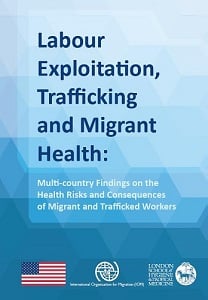
Labour Exploitation, Trafficking and Migrant Health: Multi-country Findings on the Health Risks and Consequences of Migrant and Trafficked Workers
Worked on by Dr. Ana Maria Buller and Prof Cathy Zimmerman, this report lays out the range of occupational health and safety risks and hazardous working and living conditions of workers exploited in the sectors of textile working, construction and artisanal gold mining. The report focuses on Argentina, Kazakhstan, and Peru.
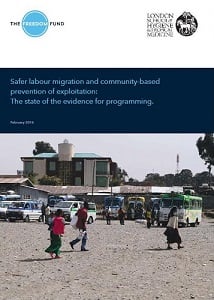
Safer labour migration and community-based prevention of exploitation
Commissioned by The Freedom Fund, Prof Cathy Zimmerman, Alys McAlpine, and Dr. Ligia Kiss conducted a systematic and thematic literature review and interviewed selected experts to determine how reliably we can answer questions regarding the risk and protective factors associated with labour migration, and the evidence from safer migration evaluations, among others.
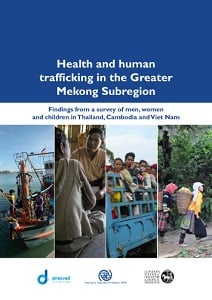
Health and human trafficking in the Greater Mekong Subregion report
The Study on Trafficking, Exploitation and Abuse in the Mekong Sub-region (STEAM) was launched in Phnom Penh, Cambodia on 18 November 2014. STEAM is a longitudinal survey of health consequences of human trafficking, and offers methodological guidance for the evaluation of a large NGO-funded intervention to prevent trafficking in seven Asian countries.
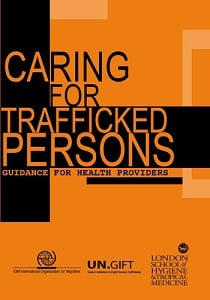
Caring for Trafficked Persons: Guidance for Health Providers
Prof Cathy Zimmerman, in collaboration with the International Organization for Migration and the United Nations Global Initiative to Fight Human Trafficking created this document "to provide practical, non-clinical guidance to help concerned health providers understand the phenomenon of human trafficking, recognize some of the health problems associated with trafficking and consider safe and appropriate approaches to providing health care for trafficked persons."
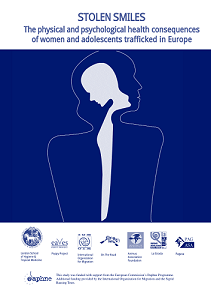
Stolen Smiles
Stolen Smiles was carried out between 2003 and 2005. It surveyed 207 women in seven European countries who had been trafficked into sex work or sexually abused as domestic labourers. It was also the first study to use epidemiological methods to investigate the physical, sexual and mental health of trafficked women and adolescents.
Impact Case Study
This work was selected for the London School of Hygiene & Tropical Medicine’s application to the Research Excellence Framework 2014 and was highly rated. The REF is a new system for assessing the quality of research in UK higher education institutions.
WHO Ethical and Safety Recommendations for Interviewing Trafficked Women
Intended mainly for researchers, media persons and service providers unfamiliar with the situation of trafficked women, this document aims to build a sound understanding of the risks, ethical considerations, and practical realities related to trafficking of women.
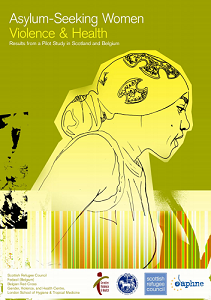
Asylum-seeking Women, Violence & Health: Results from a pilot study in Scotland and Belgium
This pilot study was conducted by Prof Cathy Zimmerman, Dr. Mazeda Hossain, Dr. Ligia Kiss, and Prof Charlotte Watts in collaboration with others from LSHTM and the Scottish Refugee Council.
Violence against sex workers
Maisha Fiti – briefing note
A three year study with 1000 women in Nairobi, Kenya, examining the associations between violence against women, mental health concerns, alcohol and drug use, biological changes to the immune system and HIV.

Trials
- Good School Toolkit
Protocol
Devries, KM; Allen, E; Child, JC; Walakira, E; Parkes, J; Elbourne, D; Watts, C; Naker, D; (2013) The Good Schools Toolkit to prevent violence against children in Ugandan primary schools: study protocol for a cluster randomised controlled trial. Trials, 14 (1).
Results
Devries, KM; Knight, L; Child, JC; Mirembe, A; Nakuti, J; Jones, R; Sturgess, J; Allen, E; Kyegombe, N; Parkes, J; Walakira, E; Elbourne, D; Watts, C; Naker, D (2015) The Good School Toolkit for reducing physical violence from school staff to primary school students: a cluster-randomised controlled trial in Uganda. Lancet Global Health, 3 (7).
Devries, KM; Knight, L; Allen, E; Parkes, J; Kyegombe, N; Naker, D; (2017) Does the Good Schools Toolkit Reduce Physical, Sexual and Emotional Violence, and Injuries, in Girls and Boys equally? A Cluster-Randomised Controlled Trial. Prevention science, 18 (7).
Kyegombe, N; Namakula, S; Mulindwa, J; Lwanyaaga, J; Naker, D; Namy, S; Nakuti, J; Parkes, J; Knight, L; Walakira, E; Devries, KM (2017) How did the Good School Toolkit reduce the risk of past week physical violence from teachers to students? Qualitative findings on pathways of change in schools in Luwero, Uganda. Social science & medicine (1982), 180.
Kayiwa, J; Clarke, K; Knight, L; Allen, E; Walakira, E; Namy, S; Merrill, KG; Naker, D; Devries, K; (2017) Effect of the good school toolkit on school staff mental health, sense of job satisfaction and perceptions of school climate: Secondary analysis of a cluster randomised trial. Preventive medicine, 101.
Greco, G; Knight, L; Ssekadde, W; Namy, S; Naker, D; Devries, K; (2018) Economic evaluation of the Good School Toolkit: an intervention for reducing violence in primary schools in Uganda. BMJ global health, 3 (2).
Knight, L; Allen, E; Mirembe, A; Nakuti, J; Namy, S; Child, JC; Sturgess, J; Kyegombe, N; Walakira, EJ; Elbourne, D; Naker, D; Devries, KM; (2018) Implementation of the Good School Toolkit in Uganda: a quantitative process evaluation of a successful violence prevention program. BMC public health, 18 (1).
Merrill, KG; Knight, L; Namy, S; Allen, E; Naker, D; Devries, KM; (2018) Effects of a violence prevention intervention in schools and surrounding communities: Secondary analysis of a cluster randomised-controlled trial in Uganda. Child abuse & neglect, 84.
- IMAGE
Protocol
Pronyk, K; Hargreaves, M; Morison, W; Watts, C; Porter, J; (2005) Microfinance and HIV prevention - emerging lessons from rural South Africa. Enterprise Development, 16 (3).
Results
Pronyk, PM; Hargreaves, JR; Kim, JC; Morison, LA; Phetla, G; Watts, C; Busza, J; Porter, J; (2006). Effect of a structural intervention for the prevention of intimate-partner violence and HIV in rural South Africa: A cluster randomised trial. The Lancet, 368 (9551).
Pronyk, PM; Kim, JC; Abramsky, T; Phetla, G; Hargreaves, JR; Morison, L.A; Watts, C; Busza, J; Porter, J; (2008). A combined microfinance and training intervention can reduce HIV risk behaviour in young female participants. AIDS, 22 (13).
Kim, J; Ferrari, G; Abramsky, T; Watts, C; Hargreaves, J; Morison, L; Phetla, G; Porter, Jk; Pronyk, P; (2009) Assessing the incremental effects of combining economic and health interventions: The IMAGE study in South Africa. Bulletin of the World Health Organization, 87 (11).
Hargreaves, J; Hatcher, A; Strange, V; Phetla, G; Busza, J; Kim, J; Watts, C; Morison, L; Porter, J; Pronyk, P; Bonnell, C; (2010) Process evaluation of the Intervention with Microfinance for AIDS and Gender Equity (IMAGE) in rural South Africa. Health Education Research, 25 (1).
Knight, L; Ranganathan, M; Abramsky, T; Polzer-Ngwato, T; Muvhango, L; Molebatsi, M; Stockl, H; Lees, S; Watts, C; (2020) Intervention with microfinance for AIDS and gender equity (IMAGE): Women's engagement with the scaled-up IMAGE programme and experience of intimate partner violence in rural South Africa. Prevention Science, 21.
- MAISHA
Protocol
Harvey, S; Lees, S; Mshana, G; Pilger, D; Hansen, C; Kapiga, S; Watts, C; (2018) A cluster randomized controlled trial to assess the impact on intimate partner violence of a 10-session participatory gender training curriculum delivered to women taking part in a group-based microfinance loan scheme in Tanzania (MAISHA CRT01): study protocol. BMC Women's Health, 18 (55).
Results
Kapiga, S; Harvey, S; Mshana, G; Hansen, C; Mtolela, G; Madaha, F; Hashim, R; Kapinga, I; Mosha, N; Abramsky, T; Lees, S; Watts, C; (2018) The impact of an intervention to prevent intimate partner violence against women in Tanzania: Findings from the Maisha cluster randomised controlled trial. The Lancet.
Abramksy, T; Lees, S; Stockl, H; Harvey, S; Kapinga, I; Ranganathan, M; Mshana, G; Kapiga, S; (2019) Women's income and risk of intimate partner violence: secondary findings from the MAISHA cluster randomised trial in North-Western Tanzania. BMC Public Health, 19 (1108).
Kapiga, S; Harvey, S; Mshana, G; Hansen, CH; Mtolela, GJ; Madaha, F; Hashim, R; Kapinga, I; Mosha, N; Abramsky, T; Lees, S; Watts, C; (2019) A social empowerment intervention to prevent intimate partner violence against women in a microfinance scheme in Tanzania: findings from the MAISHA cluster randomised controlled trial. The Lancet Global Health, 7 (10).
- Men and Women in Partnership
Protocol
Hossain, M; Zimmerman, C; Kiss, L; Abramsky, T; Kone, D; Bakayoko-Topolska, M; Annan, J; Lehmann, H; Watts, C; (2014) Working with men to prevent intimate partner violence in a conflict-affected setting: a pilot cluster randomized controlled trial in rural Cote d'Ivoire. BMC public health, 14 (1)
Results
Hossain, M; Zimmerman, C; Kiss, L; Watts, C; (2010) Violence against women and men in Côte d'Ivoire: A cluster randomized controlled trial to assess the impact of the ‘Men and Women in Partnership’ intervention on the reduction of violence against women and girls in rural Côte d’Ivoire - Formative results from a community survey. Technical Report. London School of Hygiene & Tropical Medicine (LSHTM) and The International Rescue Committee (IRC), London, UK.
Hossain, M; Zimmerman, C; Kiss, L; MacLean, T; Abramsky, T; Watts, C; (2012) Impact of the Men & Women in Partnership Initiative in rural Côte d’Ivoire: Preliminary results from a cluster randomized controlled trial. Technical Report. London School of Hygiene & Tropical Medicine (LSHTM), London, UK.
Gupta, J; Falb, KL; Lehmann, H; Kpebo, D; Xuan, Z; Hossain, M; Zimmerman, C; Watts, C; Annan, J; (2013) Gender norms and economic empowerment intervention to reduce intimate partner violence against women in rural Cote d'Ivoire: a randomized controlled pilot study. BMC international health and human rights, 13 (1).
Hossain, M; (2016) Evaluation of a violence prevention intervention and lessons for future research in conflict settings: Working with men to prevent violence against women - a community survey, cluster randomised controlled trial and nested cohort study in Cote d'Ivoire. PhD thesis, London School of Hygiene & Tropical Medicine.
Annan, J; Falb, K; Kpebo, D; Hossain, M; Gupta, J; (2017) Reducing PTSD symptoms through a gender norms and economic empowerment intervention to reduce intimate partner violence: a randomized controlled pilot study in Côte D'Ivoire. Global mental health (Cambridge, England), 4.
- PVAC
Protocol
Devries, KM; Fabbri, C; Allen, E; Barongo, V; Shayo, E; Greco, G; Kaemingk, M; Qiu, M; Steinacher, R; Tol, W; Rodrigues, K; (2019) Preventing violence against children in schools (PVACS): protocol for a cluster randomised controlled trial of the EmpaTeach behavioural intervention in Nyarugusu refugee camp. BMC Public Health, 19 (1).
- Samata
Protocol
Beattie, TS; Bhattacharjee, P; Isac, S; Davey, C; Javalkar, P; Nair, S; Thalinja, R; Sudhakar, G; Collumbien, M; Blanchard, JF; Watts, C; Moses, S; Heise, L; (2015) Supporting adolescent girls to stay in school, reduce child marriage and reduce entry into sex work as HIV risk prevention in north Karnataka, India: protocol for a cluster randomised controlled trial. BMC public health, 15 (1).
Results
Prakash, R; Beattie, TS; Javalkar, P; Bhattacharjee, P; Ramanaik, S; Thalinja, R; Murthy, S; Davey, C; Gafos, M; Blanchard, J; Watts, C; Collumbien, M; Moses, S; Heise, L; Isac, S; (2019) The Samata intervention to increase secondary school completion and reduce child marriage among adolescent girls: results from a cluster-randomised control trial in India. Journal of Global Health, 9 (1).
- Samvedana Plus
Protocol
Beattie, TS; Isac, S; Bhattacharjee, P; Javalkar, P; Davey, C; Raghavendra, T; Nair, S; Ramanaik, S; Kavitha, DL; Blanchard, JF; Watts, C; Collumbien, M; Moses, S; Heise, L; (2016) Reducing violence and increasing condom use in the intimate partnerships of female sex workers: study protocol for Samvedana Plus, a cluster randomised controlled trial in Karnataka state, south India. BMC public health, 16 (1).
Results
Javalkar, P; Platt, L; Prakash, R; Beattie, TS; Collumbien, M; Gafos, M; Ramanaik, S; Davey, C; Jewkes, R; Watts, C; Bhattacharjee, P; Thalinja, R; DL, K; Isac, S; Heise, L; (2019) Effectiveness of a multilevel intervention to reduce violence and increase condom use in intimate partnerships among female sex workers: cluster randomised controlled trial in Karnataka, India. BMJ Global Health, 4 (6).
- SASA!
Protocol
Abramsky, T; Devries, K; Kiss, L; Francisco, L; Nakuti, J; Musuya, T; Kyegombe, N; Starmann, E; Kaye, D; Michau, L; Watts, C; (2012) A community mobilisation intervention to prevent violence against women and reduce HIV/AIDS risk in Kampala, Uganda (the SASA! Study): study protocol for a cluster randomised controlled trial. Trials, 13.
Results
Kyegombe, N; Abramsky, T; Devries, KM; Starmann, E; Michau, L; Nakuti, J; Musuya, T; Heise, L; Watts, C; (2014) The impact of SASA!, a community mobilization intervention, on reported HIV-related risk behaviours and relationship dynamics in Kampala, Uganda. Journal of the International AIDS Society, 17 (1).
Abramsky, T; Devries, K; Kiss, L; Nakuti, J; Kyegombe, N; Starmann, E; Cundill, B; Francisco, L; Kaye, D; Musuya, T; Michau, L; Watts, C; (2014) Findings from the SASA! Study: a cluster randomized controlled trial to assess the impact of a community mobilization intervention to prevent violence against women and reduce HIV risk in Kampala, Uganda. BMC medicine, 12 (1).
Kyegombe, N; Starmann, E; Devries, KM; Michau, L; Nakuti, J; Musuya, T; Watts, C; Heise, L; (2014) 'SASA! is the medicine that treats violence'. Qualitative findings on how a community mobilisation intervention to prevent violence against women created change in Kampala, Uganda. Global health action, 7.
Kyegombe, N; Abramsky, T; Devries, KM; Michau, L; Nakuti, J; Starmann, E; Musuya, T; Heise, L; Watts, C; (2015) What is the potential for interventions designed to prevent violence against women to reduce children's exposure to violence? Findings from the SASA! study, Kampala, Uganda. Child abuse & neglect, 50.
Abramsky, T; Devries, KM; Michau, L; Nakuti, J; Musuya, T; Kyegombe, N; Watts, C; (2016) The impact of SASA!, a community mobilisation intervention, on women's experiences of intimate partner violence: secondary findings from a cluster randomised trial in Kampala, Uganda. Journal of epidemiology and community health, 70 (8).
Abramsky, T; Devries, KM; Michau, L; Nakuti, J; Musuya, T; Kiss, L; Kyegombe, N; Watts, C; (2016) Ecological pathways to prevention: How does the SASA! community mobilisation model work to prevent physical intimate partner violence against women? BMC public health, 16 (1).
Starmann, E; Collumbien, M; Kyegombe, N; Devries, K; Michau, L; Musuya, T; Watts, C; Heise, L; (2016) Exploring Couples' Processes of Change in the Context of SASA!, a Violence Against Women and HIV Prevention Intervention in Uganda. Prevention science.
Starmann, E; Heise, L; Kyegombe, N; Devries, K; Abramsky, T; Michau, L; Musuya, T; Watts, C; Collumbien, M; (2018) Examining diffusion to understand the how of SASA!, a violence against women and HIV prevention intervention in Uganda. BMC public health, 18 (1).
Economic Costing
- Costing guidelines
Ferrari, G; Torres-Rueda, S; Michaels-Igbokwe, C; Watts, C; Vassall, A; (2018) Guidelines for conducting cost analyses of interventions to prevent violence against women and girls in low- and middle-income settings. What Works to Prevent Violence Against Women and Girls; London School of Hygiene and Tropical Medicine. London, UK.
- Other publications
Ferrari, G; Torres-Rueda, S; Michaels-Igbokwe, C; Watts, C; Jewkes, R; Vassall, A; (2019) Economic Evaluation of Public Health Interventions: An Application to Interventions for the Prevention of Violence Against Women and Girls Implemented by the "What Works to Prevent Violence Against Women and Girls?" Global Program. Journal of interpersonal violence.
Jan, S; Ferrari, G; Watts, CH; Hargreaves, JR; Kim, JC; Phetla, G; Morison, LA; Porter, JD; Barnett, T; Pronyk, PM; (2011) Economic evaluation of a combined microfinance and gender training intervention for the prevention of intimate partner violence in rural South Africa. Health policy and planning, 26 (5).
Systematic Reviews and Meta-analyses
- Extent, causes and consequences of violence against women
Lokot, M; Pichon, M; Kalichman, B; Nardella, S; Falconer, J; Kyegombe, N; Buller AM; (2024) Decolonising the field of violence against women and girls: A scoping review and recommendations for research and programming. Social Science and Medicine 357 (117168).
Pichon, M; Treves-Kagan, S; Stern, E; Kyegombe, N; Stöckl, H; Buller, AM; (2020) A mixed-methods systematic review: Infidelity, romantic jealousy and intimate partner violence against women. International Journal of Environmental Research and Public Health, 17(16).
Bacchus, LJ; Ranganathan, M; Watts, C; Devries, K; (2018) Recent intimate partner violence against women and health: a systematic review and meta-analysis of cohort studies. BMJ open, 8 (7).
Devries, KM; Child, JC; Bacchus, LJ; Mak, J; Falder, G; Graham, K; Watts, C; Heise, L; (2014) Intimate partner violence victimization and alcohol consumption in women: a systematic review and meta-analysis. Addiction (Abingdon, England), 109 (3).
Devries, KM; Mak, JY; Bacchus, LJ; Child, JC; Falder, G; Petzold, M; Astbury, J; Watts, CH; (2013) Intimate partner violence and incident depressive symptoms and suicide attempts: a systematic review of longitudinal studies. PLoS medicine, 10 (5).
Devries, KM; Mak, JY; Garcia-Moreno, C; Petzold, M; Child, JC; Falder, G; Lim, S; Bacchus, LJ; Engell, RE; Rosenfeld, L; Pallitto, C; Vos, T; Abrahams, N; Watts, CH; (2013). The global prevalence of intimate partner violence against women. Science, 340 (6140).
Stöckl, H; Devries, K; Rotstein, A; Abrahams, N; Campbell, J; Watts, C; Moreno, CG; (2013) The global prevalence of intimate partner homicide: a systematic review. Lancet, 382 (9895).
- Prevention of violence against women
Bacchus, LJ; Colombini, M; Pearson, I; Gevers, A; Stockl, H; Guedes, AC; (2024) Interventions that prevent or respond to intimate partner violence against women and violence against children: a systematic review. The Lancet Public Health 9 (5).
Buller, AM; Petermna, A; Ranganathan, M; Bleile, A; Hidrobo, M; Heise, L; (2018) A mixed-method review of cash transfers and intimate partner violence in low- and middle-income countries. The World Back Research Observer, 33 (2).
Bacchus, LJ; Colombini, M; Contreras Urbina, M; Howarth, E; Gardner, F; Annan, J; Ashburn, K; Madrid, B; Levtov, R; Watts, C; (2017) Exploring opportunities for coordinated responses to intimate partner violence and child maltreatment in low and middle income countries: a scoping review. Psychology, health & medicine, 22 (sup1).
- Violence against children and adolescents
Bacchus, L J; Colombini, M; Contreras Urbina, M; Howarth, E; Gardner, F; Annan, J; Ashburn, K; Madrid, B; Levtov, R; Watts, C; (2017) Exploring opportunities for coordinated responses to intimate partner violence and child maltreatment in low and middle income countries: a scoping review. Psychology, Health & Medicine, 22 (S1).
Buller, A N; Pichon, M; McAlpine, A; Cislaghi, B; Heise, L; Meiksin, R; (2020) Systematic review of social norms, attitudes, and factual beliefs linked to the sexual exploitation of children and adolescents. Child Abuse & Neglect, 104.
Cerna-Turoff, I; Fischer, H-T; Mayhew, S; Devries, K; (2019) Violence against children and natural disasters: A systematic review and meta-analysis of quantitative evidence. PloS one, 14 (5).
Wamoyi, J; Ranganathan, M; Kyegombe, N; Stoebenau, K; (2019) Improving the Measurement of Transactional Sex in Sub-Saharan Africa: A Critical Review. JAIDS-Journal of Acquired Immune Deficiency Syndromes, 80 (4).
Dekel, B; Stoeckl, H; Andipatin, M; Abrahams, N; (2018) Mapping the global scientific research of infant homicide : a descriptive scoping review. Acta Criminologica: Southern African Journal of Criminology, 31 (2).
Devries, K; Knight, L; Petzold, M; Merrill, KG; Maxwell, L; Williams, A; Cappa, C; Chan, KL; Garcia-Moreno, C; Hollis, N; Kress, H; Peterman, A; Walsh, SD; Kishor, S; Guedes, A; Bott, S; Butron Riveros, BC; Watts, C; Abrahams, N; (2018) Who perpetrates violence against children? A systematic analysis of age-specific and sex-specific data. BMJ Paediatrics Open, 2 (1).
Stoeckl, H; Dekel, B; Morris-Gehring, A; Watts, C; Abrahams, N; (2017) Child homicide perpetrators worldwide: a systematic review. BMJ Paediatrics Open, 1 (1).
Guedes, A; Bott, S; Garcia-Moreno, C; Colombini, M; (2016) Bridging the gaps: a global review of intersections of violence against women and violence against children. Global health action, 9 (1).
Devries, KM; Mak, JY; Child, JC; Falder, G; Bacchus, LJ; Astbury, J; Watts, CH; (2014) Childhood Sexual Abuse and Suicidal Behavior: A Meta-analysis. Pediatrics, 133 (5).
- Intimate partner violence against men in same sex relationships
Buller, AM; Devries, KM; Howard, LM; Bacchus, LJ; (2014) Associations between Intimate Partner Violence and Health among Men Who Have Sex with Men: A Systematic Review and Meta-Analysis. PLoS medicine, 11 (3).
- Health systems and service responses to violence
Bacchus LJ, Colombini M, Pearson I, Gevers A, Stoeckl H, Guedes A. (in process) What are promising and/or effective interventions that seek to prevent and/or respond to intimate partner violence against women and child maltreatment?
Lewis, NV, Munas, M, Colombini M, D’Oliveira AF, Pereira S, Shrestha S, Rajapakse T, Shaheen A, Rishal P, Alkaiyat A, Richards A, Garcia-Moreno CM, Feder GS, Bacchus LJ. (2022) Interventions in sexual and reproductive health services addressing violence against women in low-income and middle-income countries: a mixed-methods systematic review. BMJ Global Health, 12.
Olson, RM; Garcia-Moreno, C; Colombini, M; (2020) The implementation and effectiveness of the one stop centre model for intimate partner violence: a systematic review of barriers and enablers. BMJ Global Health, 5(3).
McGuire, F; Vijayasingham, L; Vassall, A; Small, R; Webb, D; Guthrie, T; Remme, M; (2019) Financing intersectoral action for health: a systematic review of co-financing models. Globalization and health, 15 (1).
Colombini M, Dockerty C, Mayhew SH. (2017) Barriers and facilitators to integrating health service responses to intimate partner violence in low- and middle-income countries: A comparative health systems and service analysis. Studies in Family Planning, 48.
Gatuguta, A; Katusiime, B; Seeley, J; Colombini, M; Mwanzo, I; Devries, K; (2017) Should community health workers offer support healthcare services to survivors of sexual violence? a systematic review. BMC international health and human rights, 17 (1).
Feder, G; Ramsay, J; Dunne, D; Rose, M; Arsene, C; Norman, R; Kuntze, S; Spencer, A; Bacchus, L; Hague, G; Warburton, A.; Taket, A. (2009) How far does screening women for domestic (partner) violence in different health-care settings meet criteria for a screening programme? Systematic reviews of nine UK National Screening Committee criteria. Health technology assessment (Winchester, England), 13 (16).
Colombini, M; Mayhew, S; Watts, C; (2008) Health-sector responses to intimate partner violence in low- and middle-income settings: a review of current models, challenges and opportunities. Bulletin of the World Health Organization, 86 (8).
Other Publications
Colombini M, Alkaiyat A, Shaheen A, Moreno G, Feder G, Bacchus LJ. (2020) Exploring health systems readiness for adopting interventions to address intimate partner violence: a case study from the occupied Palestinian Territory. Health Policy and Planning, 35(3): 245-256.
D’Oliveira AF, Pereira S, Bacchus LJ, Feder G, Blima Schraiber L, Aguiar JM, Granusso R, Graglia CGV, Colombini M. (2021) Are we asking too much of the health sector? Exploring the readiness of Brazilian primary health are to respond to domestic violence against women. International Journal of Health Policy & Management.
Shaheen A, Ashkar S, Abdulsalam A, Bacchus LJ, Colombini M, Feder G, Evans M. (2020) Barriers to disclosure of violence against women in health services in Palestine: qualitative interview-based study. BMC Public Health, 20: 1795.
Bacchus LJ, Alkaiyat A, Shaheen A, Alkhayyat S, Od H, Halaseh R, Jeries I, Feder G, Sandouka R, Colombini M. (2021) Adaptive work in the primary health care response to domestic violence in occupied Palestinian territory: a qualitative evaluation using Extended Normalisation Process Theory. BMC Family Practice, 22(3).
- Migration, human trafficking and labour exploitation
Hargreaves, S; Rustage, K; Nellums, LB; McAlpine, A; Pocock, N; Devakumar, D; Aldridge, RW; Abubakar, I; Kristensen, KL; Himmels, JW; Friedland, JS; Zimmerman, C; (2019) Occupational health outcomes among international migrant workers: a systematic review and meta-analysis. The Lancet. Global health, 7 (7).
Pocock, NS; Nguyen, LH; Lucero-Prisno I, Don E; Zimmerman, C; Oram, S; (2018) Occupational, physical, sexual and mental health and violence among migrant and trafficked commercial fishers and seafarers from the Greater Mekong Subregion (GMS): systematic review. Global Health Research and Policy, 3 (1).
Hemmings, S; Jakobowitz, S; Abas, M; Bick, D; Howard, LM; Stanley, N; Zimmerman, C; Oram, S; (2016) Responding to the health needs of survivors of human trafficking: a systematic review. BMC health services research, 16 (1).
Ottisova, L; Hemmings, S; Howard, LM; Zimmerman, C; Oram, S; (2016) Prevalence and risk of violence and the mental, physical and sexual health problems associated with human trafficking: an updated systematic review. Epidemiology and psychiatric sciences, 25 (4)
Oram, S; Stoeckl, H; Busza, J; Howard, LM; Zimmerman, C; (2012) Prevalence and risk of violence and the physical, mental, and sexual health problems associated with human trafficking: systematic review. PLoS medicine, 9 (5).
- Humanitarian crises and conflict settings
McAlpine, A; Hossain, M; Zimmerman, C; (2016) Sex trafficking and sexual exploitation in settings affected by armed conflicts in Africa, Asia and the Middle East: systematic review. BMC international health and human rights, 16 (1).
Kalt, A; Hossain, M; Kiss, L; Zimmerman, C; (2013) Asylum Seekers, Violence and Health: A Systematic Review of Research in High-Income Host Countries. American journal of public health, 103 (3).
- HIV
Warren, EA; Paterson, P; Schulz, WS; Lees, S; Eakle, R; Stadler, J; Larson, HJ; (2018) Risk perception and the influence on uptake and use of biomedical prevention interventions for HIV in sub-Saharan Africa: A systematic literature review. PloS one, 13 (6).
Witzel, TC; Lora, W; Lees, S; Desmond, N; (2017) Uptake contexts and perceived impacts of HIV testing and counselling among adults in East and Southern Africa: A meta-ethnographic review. PloS one, 12 (2).
Remme, M; Siapka, M; Vassall, A; Heise, L; Jacobi, J; Ahumada, C; Gay, J; Watts, C; (2014) The cost and cost-effectiveness of gender-responsive interventions for HIV: a systematic review. Journal of the International AIDS Society, 17.
Colombini, M; Stöckl, H; Watts, C; Zimmerman, C; Agamasu, E; Mayhew, SH; (2013) Factors affecting adherence to short-course ARV prophylaxis for preventing mother-to-child transmission of HIV in sub-Saharan Africa: a review and lessons for future elimination. AIDS care, 26 (7).
Stöckl, H; Kalra, N; Jacobi, J; Watts, C; (2012) Is Early Sexual Debut a Risk Factor for HIV Infection Among Women in Sub-Saharan Africa? A Systematic Review. American journal of reproductive immunology
Ethics and Trainings
- Researching violence
Watts, C; Garcia-Moreno, C; Heise, L; Ellsberg, M; (2001) Putting women first: Ethical and safety recommendations for research on domestic violence against women. World Health Organization. Geneva, Switzerland.
- Researching children
Kyegombe, N; Banks, LM; Kelly, S; Kuper, H; Devries, KM; (2019) How to conduct good quality research on violence against children with disabilities: key ethical, measurement, and research principles. BMC Public Health, 19 (1)
Devries, KM; Child, JC; Elbourne, D; Naker, D; Heise, L; (2015) "I never expected that it would happen, coming to ask me such questions": Ethical aspects of asking children about violence in resource poor settings. Trials, 16 (1).
- Ethics in global health research
Cislaghi, B; Bukuluki, P; Chowdhury, M; Miranda, AE; Kenny, L; Kohli, A; Kusumaningrum, S; Brah, BH; Love, C; Mathpati, MM; Nkwi, P; Ona, F; Porter, J; Ruiz-Casares, M; Saldanha, N; Sulaiman, N; Wessells, M; (2019) Global health is political; can it also be compassionate? Journal of Global Health, 9 (2).
Cislaghi, B; Heise, L; (2018) Theory and practice of social norms interventions: eight common pitfalls. Globalization and Health 14 (83)
- Trainings
Jansen, HAFM; (2007) Training in sexual health research: Challenges to measuring violence against women. World Health Organization. Geneva, Switzerland.
Jansen, HAFM; Watts, C; Ellsberg, M; Heise, L; Garcia-Moreno, C; (2004) Interviewer training in the WHO multi-country study on women's health and domestic violence. Violence Against Women, 10 (7).
Conference Presentations
- Sexual Violence Research Initiative (SVRI) 2022
Video from the SVRI forum 2022.
Disabilities
Inequities in birth registration, violent discipline, and child labour by disability status: evidence from the Multiple Indicator Cluster Survey in 24 countries
Amiya Bhatia, Calum Davey, Tess Bright, Sara Rotenberg, Emily Eldred, Hannah Kuper, Karen DevriesGBV in conflict
Preventing violence from teachers to students in Nyarugusu Refugee Camp
Camilla Fabbri, Katherine Rodrigues, Baptiste Leurent, Elizabeth Allen, Mary Qiu, Martin Zuakulu, Dennis Nombo, Michael Kaemingk, Alexandra De Filippo, Gerard Torrats Espinosa, Elizabeth Shayo, Vivien Barongo, Giulia Greco, Wietse Tol, Karen DevriesViolence against women: concepts, measures and ethics
Conceptualization of sexual harassment and role of social norms
Joyce Wamoyi, Meghna Ranganathan, Samuel Mugunga, Heidi StöcklWomen’s economic empowerment, microfinance and CASH+
Cost-effectiveness of gender training: the MAISHA intervention for women in Tanzania
Giulia Ferrari, Tanya Abramsky, Guilhem Labadie, Giulia Greco, Saidi Kapiga, Shelley Lees, Sheila HarveyIPV/VAC intersections and co-occurrence
Exploring intersections between romantic jealousy, infidelity, and intimate partner violence in Rwanda and Uganda
Nambusi Kyegombe, Erin Stern, Ana Maria BullerProgramme evaluations
A conceptual model of dating violence among young people aged 15 – 24 years in India
Devika Gupta, Marimilha Grace Pacheco, Sasha Agrawal, Pranali Gaonkar, Aresh Naik, Urvita Bhatia, Abhijit NadkarniAdolescence: prevention, risk and protective factors
An exploratory, mixed-methods evaluation of the LINEA radio drama intervention to prevent age-disparate transactional sex in Shinyanga region, Tanzania
Marjorie Pichon, Daniel J. Carter, Lottie Howard-Merrill, Revocatus Sono, Veronicah Gimunta, Oscar Rutenge, Yandé Thiaw, Kirsten Stoebenau, Nancy Perrin, Ana Maria BullerParticipation – children and young people
Child safeguarding in violence research: Lessons from the CoVAC study
Aggrey Akim, Amiya Bhatia, Anja Zinke-Allmang, Angel Mirembe, Janet Nakuti, Dipak Naker, Karen DevriesIntervention development
Gender, romantic jealousy and intimate partner violence: a mixed-methods study in northern Ecuador
Ana Maria Buller Soto, Marjorie Pichon, Cleo Chevalier, Sarah Treves-KaganScale-up: parenting and schools
Scaling up a whole school violence prevention programme: early lessons learned
Aggrey Akim, Tvisha Nevatia, Clare Tanton, Janet Nakuti, Angel Mirembe, Mathew Amollo, John Bosco ApotaVAW prevention
Shifting social norms to prevent age-disparate transactional sex in Tanzania: what we can learn from intervention development research
Lottie Howard-Merrill, Cathy Zimmerman, Revocatus Sono, John Riber, Joyce Wamoyi, Piotr Pawlak, Lori Rolleri Insignares, Robyn Yaker, Ana Maria BullerUnderstanding violence against children
Honor, violence, and children: a systematic scoping review of global evidence
Amiya Bhatia, Michelle Lokot, Leah Kenny, Beniamino CislaghiTeachers’ narratives of use of violent discipline against students in Cote d’Ivoire
Manuela Balliet, Clare Tanton, Ariane Yah N’Djore, Tiemele Kouassi, Dally Mustapha, Francois Joseph Azoh, Karen Devries, Shelley LeesHow do children define violence and maltreatment in childhood? A systematic review and meta-synthesis of qualitative studies from sub-Saharan Africa
Ellen Turner, Sue Kelly, Emily Eldred, Katrina Bouzanis, Anne Gatuguta, Manuela Balliet, Shelley Lees, Karen DevriesMental health | VAW in humanitarian settings, conflict and crises
Psychosocial interventions to improve mental health of survivors of human trafficking: a systematic and realist review
Joelle Mak, Abigail Bentley, Sharli Paphitis, Melanie Abas, Cathy Zimmerman, David Osrin, Delanjathan Devakumar, Ligia KissUnderstanding violence against adolescents | Tech-facilitated violence, tech-based prevention and response
Workplace violence against adolescents: findings from a cohort in Uganda
Louise Knight, Ligia Kiss, Agnes Kyamulabi, Fred Kasalirwe, Elizabeth Allen, Simone Datzberger, Eddy Walakira, Jenny Parkes, Dipak Naker, Karen Devries, Clare TantonUnderstanding violence against women – prevalence and risk
Sexual harassment in low- and middle-income countries: a qualitative systematic review
Selina Hardt, Heidi Stöckl, Joyce Wamoyi, Meghna RanganathanHERA Study Dissemination
Conceptualisations of reproductive coercion: a comparative synthesis in Brazil, Nepal and Sri Lanka
Manuela Colombini, Poonam Rishal, Cecilia Guida Vieira Graglia, Janaina Marques de Aguiar, Lilia Blima Schraiber, Sandi Dheensa, Claudia García-Moreno, Loraine BacchusAfter disclosure: longitudinal study with domestic violence survivors in primary health care
Stephanie Pereira, Lilia Blima Schraiber, Loraine Bacchus, Ana Flávia Pires Lucas d’OliveiraImplementation of HERA in Nepal, Sri Lanka, Palestine and Brazil: a comparative analysis and lessons learned
Loraine Bacchus Stephanie Pereira et al.Addressing ethical challenges in global research on health systems responses to violence against women to improve integrity and results
Beatriz Kalichman, Ana Flávia d’Oliveira, Yuri Nishijima Azeredo, Loraine J Bacchus, Natalia V Lewis- LSHTM Global Health Lecture Series 2019
Gender-based violence and health
Professor Charlotte Watts & Dr. Heidi Stockl- Sexual Violence Research Initiative (SVRI) 2019
Videos from the SVRI forum 2019.
Economic empowerment and intimate partner violence
Women’s empowerment and IPV: findings from a microfinance plus programme in rural North-West province, South Africa
Meghna Ranganathan, L. Knight, T. Abramsky, L. Muvhango, T. Polzer Ngwato, M. Mbobelatsi, G. Ferrari, C. Watts, H. StöcklEconomic insecurity and intimate partner violence: a theoretical model
Heidi Stöckl, E. Stern, M. Ranganathan, B. Mahenge, S. Lees, A. Hatcher, T. AbramskyUnderstanding mechanisms of change
Household decision-making and its association with intimate partner violence: examining differences in men’s and women’s perceptions in Uganda
S. Zegenhagen, Ana Maria Buller, M. RanganathanSex work and transactional sex
Emic perspectives on the extent to which transactional sex is viewed as sexual exploitation in Central Uganda
Nambusi Kyegombe, R. Meiksin, S. Namakula, J. Mulindwa, R. Muhumuza, J. Wamoyi, L. Heise, A. BullerEarly interventions - parenting and primary school
Learn in peace, educate without violence: preliminary evidence for the effects of a brief, school-based violence prevention intervention in Cote d’Ivoire
K. Devries, Manuela Balliet, K. Thornhill, L. Knight, F. Procureur, Y. Ariane N’Djoré, D. N’Guessan, K. Merrill, M. Dally, E. Allen, M. Hossain, B. Cislaghi, C. Tanton, L. QuinteroIntervention content panel
UZIKWASA: conscious practice to transformation
UZIKWASA runs a holistic social change program that facilitates change through self-reflective processes to transformation, using media campaigns to complement transformative leadership development in addressing problems identified by communities themselves
S. Lees, M. Marchant, N. Desmond, Novatus Urassa, Salvata KalangaPrevention programmes
Community activism in practice: lessons learned from the Indashyikirwa IPV prevention programme in Rwanda
Erin Stern, S. Chatterji, L. Heise, K. Dunkle, on behalf of the entire Indashyikirwa TeamFamily-based interventions
Ninajiamini (I have confidence) – understanding the transformative effects of a participatory social intervention in the MAISHA intimate partner violence prevention trial in Tanzania
Shelley Lees, Mark Marchant, V. Selestine, F. Nago, E. Mashauri, G. Mshana, S. Kapiga, C. Watts, S. HarveyMasculinities and change
‘You must get your wallet torn’: achieving masculinities through transactional sex? A qualitative study from North-Western, Tanzania
Lottie Howard-Merrill, J. Wamoyi, D. Nyato, N. Kyegombe, L. Heise, A.M. BullerMen and masculinities
Investigating gender-based violence (GBV) among men in Mwanza, Northern Tanzania
Asungushe Kayombo, G. Mshana, I. Kapinga, S. Kapiga, S. Harvey, H. StoecklPrevention and interventions
UZIKWASA’s diary study: hearsay ethnographies for understanding how change happens
Mark Marchant, N. Urassa, N. Desmond, V. Pieroth, Joseph Peniel, S. KalangaCosting of programmes
Cost analysis of IMpower intervention in Kenya and Indashyikirwa intervention in Rwanda
Stacey Orangi, R. Hitimana, S. Torres-Rueda, E. Barasa, A. Vassall, G. FerrariWhat works to prevent violence against women and girls: costs at pilot and national scales
Sergio Torres-Rueda, G. Ferrari, S. Orangi, R. Hitimana, E. Kapapa, E. Daviaud, T. Taiwah, R. Dwommoh, E. Barasa, R. Jewkes, A. VassallThe cost-effectiveness of preventing violence against women and girls: results from a multi-country study of four interventions, from piloting to national scale-up
Giulia Ferrari, S. Torres-Rueda, S. Orangi, R. Hitimana, E. Daviaud, T. Tawiah, R. Dwommoh, E. Barasa, R. Jewkes, A. VassallGender based violence care and support
A systematic review on the One stop centre (OSC) model for delivering services to survivors
Claudia Garcia-Moreno, R. Olson, Manuela ColombiniFour minute presentations: Violence against children and adolescent young women
How can comprehensive sexuality education contribute to violence prevention?
Shelly Makleff, S. Medina, I. Zavala, M. Billowitz, V.I. Silva, F. Barindelli, C. MarstonGlobal systematic review: social norms, attitudes, and factual beliefs linked to the sexual exploitation of children and adolescents
A. Buller, Marjorie Pichon, A. McAlpine, B. Cislaghi, L. Heise, R. MeiksinFour minute presentations: Response
Integrating GBV screening into HIV counselling and testing for young women accessing PrEP in South Africa and Tanzania
Manuela Colombini, S. Lees, N. Khoza, A. Stangl, S. Kapiga, L. Ramskin, S. Harvey, C. Watts, F. Scorgie, S. Dlany-MoretlweFour minute presentations: Methods and tools
What is a social norms intervention anyway? How LINEA has applied norms change methodologies in intervention development
Ana Maria Buller, L. Howard-Merrill, L. Rolleri, P. PawlakFour minute presentations: Prevention
A cluster RCT evaluating an intervention to prevent intimate partner violence against women in Tanzania
T. Abramsky, S. Lees, H. Stoeckl, S. Harvey, I. Kapinga, M. Ranganathan, G. Mshana, Saidi KapigaEconomic abuse and responses for survivors
Understanding the dynamic influence of context: adaptive work in the health care response to domestic violence in occupied Palestinian Territory
Loraine J Bacchus, A. Alkaiyat, A. Shaheen, A. Alkhayyat, H. Od, R. Halaseh, M Zayed, G. Feder, Manuela Colombini- Sexual Violence Research Initiative (SVRI) 2017
Gender based violence prevention interventions
Indashyikirwa safe spaces for women: an enabling environment to prevent and respond to IPV in Rwanda
Erin Stern, L. Heise, L. McLeanConflict
Challenges to research in refugee camp settings: lessons from a mixed methods evaluation in Dadaab, Kenya
Alys McAlpine, L. Bacchus, S. Muthuri, S. Muuo, C. Izugbara, M. HossainPower and violence within transactional sex
Who is exploiting who? Girls’ and older men’s perspectives on intergenerational sex
Joyce Wamoyi, D. Nyato, N. Kyegombe, R. Meiksin, A.M. Buller, L. Heise“No, I’m not a sugar daddy” Adult men’s motivation and rationalisation of sex with girls in Central Uganda and Northern Tanzania
N. Kyegombe, J. Wamoyi, D. Nyato, Ana Maria BullerUnderstanding violence against women
Risk and protective factors for intimate partner violence among couples and communities participating in the Indashyikirwa Trial in Rwanda
Kristin Dunkle, E. Stern, L. Niyibizi, L. HeiseIntersections of violence against children and intimate partner violence
Is prevalence of male violence against children higher in households where women are experiencing partner violence?
Sheila Harvey, N. Mosha, C. Hansen, H. Stöeckl, S. Lees, G. Mshana, S. Kapiga, C. WattsEconomic interventions and effects on intra-household dynamics and intimate partner violence
A review of cash transfers and intimate partner violence in low and middle-income countries
Amber Peterman, A.M. Buller, M. Ranganathan, A. Bleile, M. Hidrobo, L. HeiseMicrofinance plus life-skills intervention for couples in Burundi: economic models of intra-household allocation explain mechanisms of impact
Giulia Ferrari, R.K. IyengarThe prevalence of economic abuse and its impact on women’s lives in northwest Tanzania: baseline data from the MAISHA study
I. Kapiga, V. Selestine, S. Harvey, Shelley Lees, C. Hansen, G. Mshana, C. Watts and S. KapigaParents, Children and violence against women
Overlapping IPV and violence against children and associated risk factors in a probability sample of child-caregiver dyads in Uganda
Catherine Carlson, S. Namy, A.N. Pala, M. Wainberg, L. Michau, J. Nakuti, L. Knight, E. Allen, D. Naker, K. DevriesSafe and sound: An RCT of an intervention in antenatal care to address intimate partner violence
Providers’ and women’s perspectives of a support intervention for intimate partner violence. Findings from the process evaluation
Manuela ColombiniUnderstanding violence against children: Data, meaning and action
Who perpetrates violence against children? A global systematic analysis of age and sex specific data
Karen Devries, L. Knight, M. Petzold, K.R. Gannett, L. Maxwell, A. Williams, C. Cappa, K.L. Chan, C. García-Moreno, N. Hollis, H. Kress, A. Peterman, S.D. Walsh, S. Kisor, A. Guedes, S. Bott, B. Butron, C. Watts, N. AbrahamsDiverse nature of violence against children
Understanding sexual and other violence against children in Zanzibar: adapting research approach and violence exposure measurement to the Zanzibar context
Louise Knight, S. Lees, M. Nilsson, R. Ramadhan, H. Grundlingh, C. Milligan, A. Shirley, D. Ritz, H. Lees-Mlanga, K. DevriesInnovative and participatory research methods
Using Photovoice to understand how gender roles and practice influence intimate partner violence among women in Northern Tanzania: findings from the MAISHA study
Veronica Selestine, G. Mshana, S. Lees, S. Harvey, S. Kapiga, C. WattsScience pitches - prevention
A systematic review of prospective risk and protective factors for intimate partner violence victimisation among women
A. Yakubovich, Heidi Stöeckl, J. Murray, J.I. Steinert, C.E.Y Glavin, D.K. HumphreysFollow up of the Intervention with Microfinance for AIDS and Gender Equity (IMAGE): design and baseline cohort characteristics, rural Mahikeng region, South Africa
Louise Knight, M. Ranganathan, T.P. Ngwato, L. Muvhango, M. Molebatsi, N. Pakade, S. Lees, C. WattsPrevalence of intimate partner violence and abuse among women in northwestern Tanzania: results from MAISHA study
Saidi Kapiga, S. Harvey, N. Mosha, G. Mshana, I. Kapinga, H. Stockl, S. Lees, C. Hansen, C. WattsScience pitches - faith, sexual harassment, responses
Couple-level intimate partner violence research: Promise or peril?
The Indashyikirwa couples curriculum to prevent intimate partner violence and support healthy, equitable relationships in Rwanda
Erin Stern, L. Heise, L. McLeanIntersections between violence against women and girls and peacebuilding
What is an effective model of care for GBV survivors in a refugee camp? Evaluation of a task-sharing approach to GBV case management in the Dadaab refugee camps
Mazeda Hossain, Alys McAlpine, L. Bacchus, A. Kohli, S. Muthuri, Sheru Muuo, C. Egesa and C. Izugbara
Conference Presentations - 16 Days of Activism Against Gender-Based Violence
- 16 Days of Activism Against Gender-Based Violence 2022
Exploring children’s experiences and reporting of violence: how can we respond effectively?
Sue Kelly, Kudzayi Khosa, Progress Nangati, Rati Moyo, Ellen Turner, Aggrey AkimIntroduction to LSHTM's work on gender-based violence
Susannah Mayhew, Ana Maria Buller,16 days of activism against gender-based violence: PhD and DrPH project showcase
Susannah Mayhew, Ana Maria Buller,- 16 Days of Activism Against Gender-Based Violence 2020
Introduction into research on gender-based violence at LSHTM
Heidi Stoeckl, Ana-Maria Buller, Marjorie Pichon, Lottie Howard-Merrill, Mark Marchant, Meghna Ranganathan, Camilla Fabbri, Cathy Zimmerman, Alys McAlpine, Nicola PocockGender, norms, and violence: action and self-reflexivity
Ben CislaghiPredictors and consequences of intimate partner violence in Tanzania: A mixed-methods longitudinal study
Heidi Stoeckl, Gerry MshanaThe Learning Initiative on Norms, Exploitation and Abuse: Intervention development
Ana Maria Buller, Lottie Howard-MerrillThe extent and quality of involving childhood abuse survivors in shaping, conducting and dissemination research in the UK: A systematic review
Simone KennedyEvaluation of a capacity strengthening programme in Healthcare Responding to Violence and Abuse
Nerissa Tilouche, Evelina RossiPanel on remote gender-based violence ethics and methods during COVID-19
Amiya Bhatia, Tara Beattie, Heidi Stoeckl- 16 Days of Activism Against Gender-Based Violence 2021
Introduction to LSHTM's work on gender-based violence
Debra Jackson, Ana Maria Buller, Nambusi Kyegombe'Edu-tainment' interventions to improve gender-based violence outcomes
Venetia Bakers, Stephanie Sandows, Marjorie Pichon, Josie Gallo, Ana Maria Buller, Nambusi Kyegombe
Trigger warning: This session includes video footage of violence and abuse which may be triggering to survivors.
Under-researched areas and marginalised populations in the field of gender-based violence
Erin Stern, Joyce Wamoyi, Heidi Stoeckl, Neema Mosha, Philomena Raferty, Nambusi Kyegombe, Hannah KuperThe intersection between climate change and gender-based violence
Meghna Ranganathan, Alyssa Thurston, Susannah Mayhew, Richard Muhumuza, Veronique FilippiGender-based violence in conflict-affected settings
Giulia D'Odorico, Maria Al Abdeh, Jennifer PalmerTrigger warning: This session includes video footage of gender and sexual violence and abuse which may be triggering to survivors.
16 days of activism against gender-based violence: PhD and MSc project showcase
Naomi Miall, Erin Hartman, Leah Schrubbe, Iram Hashmi, Devika Gupta, Alice Witt
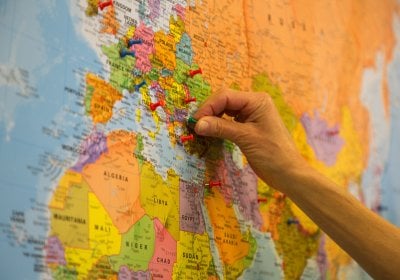
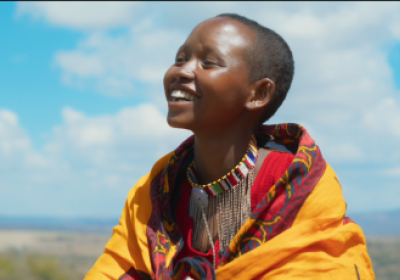


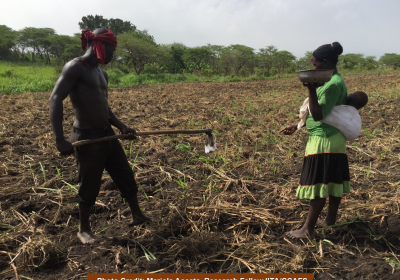
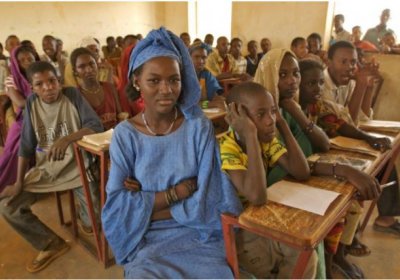
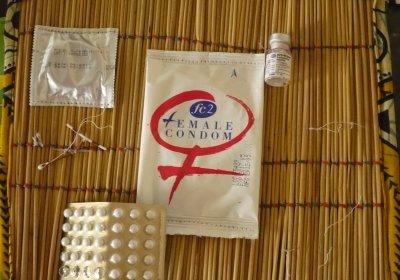
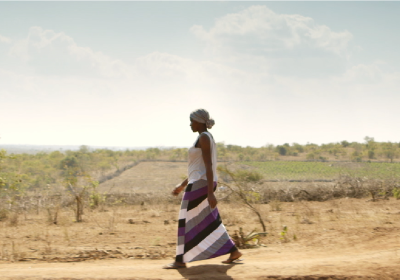
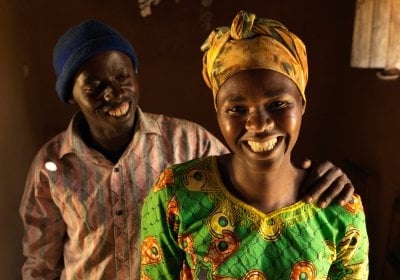
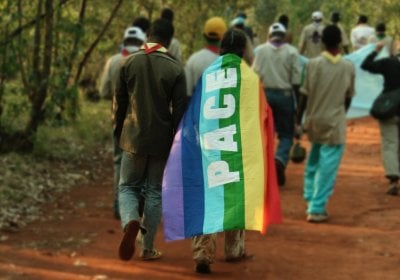
From 5–9 October, researchers from the Gender Violence and Health Centre (GVHC) will be in Bangkok for the SVRI Forum 2026, sharing research across workshops, plenaries, oral sessions and poster presentations. Topics span violence against women and children, intimate partner violence, social norms, violence prevention, workplace sexual harassment and more. GVHC Roadmap for SVRI 2026
To find GVHC researchers and presentations throughout the week, Explore our roadmap .
A new opinion piece from the Gender Violence & Health Centre Co-Directors, Dr Manuela Colombini, Dr Meghna Ranganathan and Dr Nambusi Kyegombe, explores the urgent question: if we know what works to prevent violence against women and girls, why are we not seeing change at scale?

Against a backdrop of resurgent far-right and extremist ideologies in digital spaces, evolving forms of violence and global funding cuts, the authors highlight a critical challenge: by the time rigorous research is conducted, evaluated and translated into policy, the nature of the problem may have already shifted.
They set out what needs to change, from accelerating knowledge translation into policy and practice and securing sustained investment, to strengthening efforts to make the field of violence against women and girls more equitable.
Marking 20 years of research at the GVHC, the authors remain hopeful. Violence against women is preventable – rigorous research has shown how violence can be reduced in communities, couples and across generations. Now it must move from important but fragmented progress to systemic change that prioritises new evidence and policy engagement to support this change at the scale this crisis demands.
The Gender Violence & Health Centre at LSHTM invites you to join our upcoming webinar: ‘The cut we still make: Episiotomy, childbirth and maternal health’, on Wednesday 3 June 2026, 12:30–13:00 BST (UTC+01:00).

Join us to hear from Dr Judith Lieber, Research Fellow at LSHTM, who will share new evidence from the multi-country WOMAN-2 Trial.
Episiotomy - a cut to the perineum during childbirth – remains common in many settings, despite the World Health Organization advising against its routine use for the past three decades.
This talk will explore how often episiotomy is used across Nigeria, Pakistan, Tanzania and Zambia and examines its impact on postpartum haemorrhage, a leading cause of maternal mortality.
Beyond the data, the presentation will briefly explore the history of episiotomy and its place within wider conversation around respectful maternity care and ‘obstetric violence’.
This webinar is part of GVHC’s Webinar Series at LSHTM, which brings together global and UK-based research to strengthen understanding and action on gender-based violence.
This is a free, online event, and registration is not required.
The Gender Violence & Health Centre (GVHC) at LSHTM invites you to join our upcoming webinar: ‘Beyond the buzzword: Decolonising the field of violence against women and girls’, on Wednesday 3 June 2026, 14:00–15:00 BST (UTC+01:00).

Speakers from the GVHC, alongside partners, will explore what decolonisation means in practice for those working to end violence against women and girls across research, programming and funding. Join us to examine colonial legacies shaping the field and concrete strategies for change.
This webinar is part of GVHC’s Webinar Series at LSHTM, which brings together global and UK-based research to strengthen understanding and action on gender-based violence.
This is a free, online event, and registration is not required.
The GVHC invites you to join our upcoming webinar: ‘Co-producing knowledge to address violence against children in faith-based spaces’, on Wednesday 6 May 2026, 12:30–13:15 BST (UTC+01:00).

This session will feature Selina Palm, an independent researcher specialising in participatory feminist approaches to violence prevention. She will share insights on co-producing knowledge with communities and faith actors to develop more effective, inclusive safeguarding strategies for children.
Part of our 2026 GVHC webinar series at LSHTM, this event brings together research and practice to advance understanding and responses to gender-based violence.
This is a free, online event, and registration is not required.

A new article led by the Health in Humanitarian Crises Centre highlights how overlapping crises, including violence and climate change, are shaping health outcomes across Latin America. The piece shows how environmental shocks such as floods and droughts interact with social and structural violence, compounding risks for already vulnerable populations.
Featuring GVHC member Maria Gargiulo, the article draws attention to how violence against women is often hidden in public health data when other crises are present. Her research in Mexico shows that homicides of pregnant and postpartum women are frequently excluded from national maternal mortality statistics, masking the true scale of the issue. She said: “It can be difficult to disentangle everyday violence from conflict-related violence, particularly when it comes to violence against women. Constant exposure and the normalisation of violence have been linked to negative maternal health outcomes, increased intimate partner violence and obstetric violence.”
This work underscores the importance of recognising violence as a critical and interconnected driver of health, particularly in settings facing multiple, overlapping crises.
The Gender Violence & Health Centre (GVHC) at LSHTM invites you to join our webinar exploring intimate partner violence (IPV) within South Africa’s urban informal settlements on Wednesday 4 March 2026, 12:30 – 13:15 GMT.

Join us to hear from Dr Andy Gibbs, Senior Lecturer at the University of Exeter, who will share insights from his research that uncover the social and structural drivers of IPV and relationship conflict in these marginalised communities.
This session will highlight the complexities of IPV in informal settlements and discuss prevention and response strategies tailored to these contexts. The webinar forms part of the GVHC Webinar Series at LSHTM, dedicated to advancing understanding and action on gender-based violence through global and UK-based research.
This is a free, online event, and registration is not required.
The Gender Violence & Health Centre (GVHC) at LSHTM invites you to the first webinar in our new series, taking place virtually on Wednesday 4 February 2026, 12:30–13:30 GMT.

We are delighted to welcome Dr Marcos Signorelli, Associate Professor of Public Health at the Federal University of Paraná, Brazil, who will share insights from his book Violence against Indigenous women: a descriptive overview of Brazil. Drawing on official data and collaborative research, Dr Signorelli’s work highlights the experiences of Indigenous women and girls in Brazil, explores gaps in public policy, and underscores the importance of intersectional approaches to confronting violence and strengthening protections.
This free, open-access online event requires no registration and will not be recorded. Join us to learn from this important research and deepen your understanding of gender-based violence in global and public health contexts.
The new GVHC Webinar Series will examine gender-based violence through insights drawn from global and UK-based research. Across the upcoming talks, speakers will share evidence and perspectives that deepen understanding of violence and inform more effective prevention and response approaches.
Upcoming webinars will be posted on the GVHC events page.
A recent study led by the Gender Violence & Health Centre (GVHC) uncovered how girls and young women’s experiences of menstruation and contraceptive use in western Kenya are closely linked with intimate partner violence (IPV) and constrained reproductive autonomy.
The research, published in BMJ Open, found that fear of violent retaliation drove many to use contraception secretly, while harmful norms led partners and even family members to monitor menstrual cycles as a means of detecting contraceptive use.
The study also highlights the impact of period poverty and menstrual stigma, which pushed some girls into transactional sexual exchanges to obtain sanitary products. These exchanges were often exploitative, increased exposure to violence, and contributed to poor reproductive health outcomes, including unintended pregnancies.
Erin Hartman, Research Fellow in the GVHC at LSHTM and lead author of the paper, said: "I hope this research highlights critical opportunities to strengthen sexual and reproductive health policy and sharpen violence-prevention efforts."
Dr Ana Maria Buller, Associate Professor at LSHTM and senior author on the paper, said: "When menstrual stigma, economic hardship and contraceptive misinformation combine, they create conditions where coercion and violence flourish. Comprehensive prevention must address period poverty, challenge damaging norms about menstruation, and expand safe, stigma-free access to contraception.”
For the 16 Days of Activism against Gender-Based Violence - a UN Women campaign running from International Day for the Elimination of Violence against Women on 25 November, to Human Rights Day on 10 December - the London School of Hygiene & Tropical Medicine is running a series of events discussing research and action on violence against women.

The events are hosted by the Gender Violence & Health Centre (GVHC), the Centre for Maternal, Adolescent Reproductive & Child Health, and Population Studies Group at LSHTM.
The series will start with an exploration into co-creating feminist technology to confront gender-based violence and feminicide on the 25 November, followed by a showcase of high-impact research led by senior academics in the GVHC on the 2 December. The series will close on 10 December with a deep dive into cutting-edge research on GBV from emerging and mid-career researchers in the GVHC, presenting evidence from Tanzania and Malawi to Saudi Arabia and Myanmar.
Explore the events and join us to learn how GVHC’s research is driving global progress in preventing violence against women.
Last month, colleagues from the Gender Violence and Health Centre (GVHC) at the London School of Hygiene & Tropical Medicine (LSHTM), presented at the European Conference on Domestic Violence in Barcelona .
This interdisciplinary conference – primarily showcasing work from Europe but welcoming global contributions – brought together practitioners, policymakers, and researchers to continue the co-creation and sharing of scientific knowledge aimed at eradicating all forms of domestic violence and violence against women.
Marjorie Pichon, Research Fellow at LSHTM presented findings from a new study published in BMC Public Health on the role of jealousy in intimate partner violence against women. In her presentation, Marjorie outlined how this research highlighted the importance of interventions that target jealousy and suspicions of infidelity to foster safe and equitable relationships.
Michelle Lokot, Assistant Professor at LSHTM discussed practitioner and researcher perspectives on colonialism and decolonisation in the field of violence against women and girls, presenting findings from a qualitative study and scoping review, including recommendations for research and programming.
Nerissa Tilouche, Research Fellow at LSHTM, shared initial baseline qualitative findings from a trial run by the LINEA (Learning Initiative on Norms, Exploitation and Abuse) project on school attendance as protective and a risk factor for age-disparate transactional sex for adolescent girls in Mwanza, Tanzania. Nerissa illustrated the risks and perceived protections linked to age-disparate transactional sex among schoolgirls in Mwanza, while highlighting that girls who are out of school face greater risk.
Nerissa and Marjorie also presented a poster on behalf of LSHTM researchers Annabelle Gourlay and Tanya Abramsky, on the link between engagement in transactional sex and intimate partner violence perpetration among motorcycle taxi drivers in Mwanza, Tanzania, using findings from the baseline cohort survey of the LINEA trial. The survey found that men who reported engaging in transactional sex, particularly those engaging with girls less than 18 years, were more likely to also report being perpetrators of intimate partner violence. This suggests that adolescent girls engaging in transactional sex relationships may be particularly vulnerable to increased risks including intimate partner violence.
Tanya Abramsky, alongside Janet Nakuti from Raising Voices, also presented posters on the evaluation of ‘Together with Gloria!’ – a 33-episode radio drama – delivered alongside the ‘SASA! Together’ community mobilisation intervention to prevent violence against women.
In addition to sharing their research, the conference allowed GVHC members in attendance to learn about domestic violence work being conducted beyond their own areas of expertise, and hear from practitioners from a range of sectors, including government actors, police officers, legal actors, shelter/safe house providers and mental health service providers.
Particular highlights included the keynote addresses by Professor Sundari Anitha from the University of Sheffield on transnational marriage abandonment, and Professor Maria Eriksson from Karolinska Institutet in Sweden on children living with domestic violence who are often overlooked as both next-of-kin and young carers, as well as a session on sexual harassment and bullying within academia.
A new commentary, led by Emily Eldred, Research Fellow in the Gender Violence & Health Centre (GVHC) and International Centre for Evidence in Disability (ICED) at the London School of Hygiene & Tropical Medicine (LSHTM), highlights a critical gap in global violence prevention efforts: the exclusion of children with disabilities from key international commitments.
The article, published in The Lancet Child & Adolescent Health assesses the pledges submitted to the 2024 Global Ministerial Conference to End Violence Against Children, to examine references to children with disabilities, actions proposed to address violence, and references to disability-inclusive services.
Of the 101 country and 21 organisational pledges to protect children from violence at home, in schools, communities, and online, only 17 countries – and none of the organisations – mentioned disability, and even fewer proposed concrete or defined actions to include children with disabilities.
The authors emphasise that children with disabilities face a higher risk of violence due to stigma, discrimination, gender norms, and poverty, yet often encounter inaccessible reporting systems and untrained service providers. Where disability was mentioned, commitments were typically vague, lacking clear prevention strategies.
The commentary calls on governments to strengthen disability inclusion by: (1) Embedding specific and actionable disability commitments in national violence prevention plans; (2) Developing inclusive child protection systems with trained staff and accessible communication; (3) Collecting data on violence broken down by disability status and intersectionality; and (4) Establishing legislation and policies that mandate accessibility and prevent discrimination.
The authors stress that achieving Sustainable Development Goal 16.2 – ending all forms of violence against children – will only be possible through child-centred, inclusive, and intersectional approaches that leave no child behind.

Discover Sarah, the latest cinematic offering from Sponsored Arts for Education (S.A.F.E. Kenya). This poignant coming-of-age film invites viewers into the world of a young Maasai girl as she navigates the complexities of love, tradition, friendship, and family during her formative teenage years.
Having garnered significant attention since its premiere at the Pan African Film Festival in Los Angeles this February, followed by its national debut in Nairobi and widespread community screenings across Kenya, Sarah now arrives in the UK. This event holds a unique opportunity to view the film and also to hear from the film's creators and those implementing its vital outreach. Beyond the screen, Sarah is integral to Sarah's Movement, a transformative initiative dedicated to building crucial safe spaces for survivors of Gender-Based Violence (GBV) and spearheading the fight to end GBV in Kenya and East Africa.
The screening will be held on Wednesday 8 October, 17:30 - 19:00 UK Time, in the Manson Lecture Theatre at LSHTM.
Speakers include:
- Sarah Tenoi, S.A.F.E. Maa's co-Founder and co-producer of Sarah the movie
- Angelina Namiba, with over 26 years of experience working on different initiatives in the HIV sector
- Alice Crookenden, Head of S.A.F.E., leading projects focusing on health, gender equality and the environment
- Dr Leyla Hussein, a psychotherapist specialising in providing crucial support to survivors of sexual abuse
Please note that this event is in person only, and the film contains themes of gender based violence, in particular female genital mutilation/cutting. Viewer discretion is advised.
Members of the Healthcare Responding to Violence and Abuse (HERA) Global Health Research Group, Beatriz Kalichman, Stephanie Pereira, Lilia Blima Schraiber, Ana Flávia d’Oliveira (University of São Paulo) and Loraine Bacchus (London School of Hygiene & Tropical Medicine), reflect on mutual learning, reciprocity and communication in research partnerships with healthcare services, along with their partners in the field, Camila Nascimento Monteiro and Daiana Bonfim (Albert Einstein Hospital):
Doing research in healthcare services can be very rewarding, but it also poses important issues that must be addressed to ensure all parties involved benefit. As a research group working within healthcare, it is essential to reflect on whether we are contributing meaningfully to the services where the research takes place. True partnership requires mutual support, respect and understanding. That is why the HERA team was so excited when one of the services we had worked with invited us to scale-up our intervention by training a local network consisting of two primary health clinics (PHC), two emergency services, one mental health service, and an NGO.
This work was part of a study on the implementation of a complex intervention to improve the response to domestic violence against women (DVAW) in PHC settings in Brazil. The study was conducted as part of HERA, a Global Health Research Group, working with partners in the occupied Palestinian Territories, UK, Sri Lanka and Nepal. Engaging PHC services and other stakeholders - and ensuring that what we offered was feasible and meaningful in their context was paramount to our research proposal. This engagement was instrumental to the success of the intervention and opened the possibility of scaling it up.
There is a wide literature in the health and development fields on the importance of scaling up, often focusing on the expansion and institutionalisation of pilot interventions. What was new, and perhaps most surprising in our case, was that the invitation to scale up came first from local PHC managers and providers themselves, prompting us to reflect on what this might signal. Much has been written about the problems of “directive” research collaborations, in which there is a unidirectional flow of priorities and timelines from academics to partners involved in research, and of “extractive” research, where data are collected with little offered in return. These practices not only pose ethical questions but can also result in poor quality data or the implementation of interventions that are a poor fit within certain contexts – ultimately creating additional burden to the healthcare system instead of helping to address a problem.
The request to scale-up HERA - and the reasons given - were seen as indicators of the intervention’s success. Health care professionals (HCP) and managers spontaneously highlighted several aspects they valued: it offered concrete lessons that could be applied in their day-to-day practice; the monthly discussion spaces provided ongoing support in managing cases, emotions, teamwork and referrals; and the guidelines we proposed helped strengthen their performance. Importantly, other reasons given for scaling up validated something we have long understood theoretically but rarely seen so clearly articulated as a demand from frontline HCPs: the need to train and engage the entire network, including other levels of the health care system, NGOs, the police, the justice system and the education sector.
This alignment with healthcare professionals’ needs was the result of our approach to cultivating relationships between researchers, healthcare providers and managers which created mutual trust and understanding. These relationships were crucial for gaining insight into their work and needs, enabling us to design a bespoke intervention and foster open dialogue - where they felt able to offer honest, and sometimes critical, feedback that helped us adapt and improve the intervention. The recognition of our model by the very people whose work we aimed to support - and their trust in us as a source of knowledge and practical guidance - led to a valuable opportunity to scale-up HERA.
This opportunity did not arise solely from the researchers’ agenda and goals, but from a mutual understanding of a need within the healthcare system and the recognition of our intervention as a meaningful way to address it. It is also important to highlight that the service which invited us to expand the intervention is managed by Albert Einstein Hospital’s Centre for Studies, Research and Practice in PHC and Networks (CEPPAR) - an institution that invests in research with clear potential to be translated into healthcare provider’s professional practice. This meant that building a strong relationship and guaranteeing the success of the intervention was a priority not only for the research team, but also for the institution itself. The prioritisation of the intervention by managers at all levels was instrumental to its success, reinforcing the importance of considering management structures and priorities when designing interventions.
As part of HERA’s commitment to cultivating and valuing communication and relationships beyond academia, the project also decided to disseminate its work through a short documentary film, making it freely accessible on YouTube. The film, entitled “Opening the Door: How HERA is Changing the Healthcare Response to Violence Against Women” captures key insights from the intervention from the perspectives of healthcare providers, researchers, and women survivors of domestic violence.
In a recent expert comment, Dr Ana Maria Buller and Marjorie Pichon from the Gender Violence & Health Centre (GVHC) at LSHTM explore how the LINEA (Learning Initiative on Norms, Exploitation and Abuse) Project engages with communities to tackle harmful gender norms, prevent sexual exploitation, and create safer futures for adolescent girls.

Through research in Brazil, Tanzania and Uganda, LINEA has shown how community expectations around gender, sexuality and provision reinforce transactional sex, while also highlighting girls’ agency and the complex realities they face. Importantly, the project works not just with adolescent girls but also with boys, men, parents, and community leaders to create transformative change.
Dr Ana Maria Buller, Co-Director of the Centre for Maternal, Adolescent, Reproductive, and Child Health (MARCH) at the London School of Hygiene & Tropical Medicine (LSHTM) and Principal Investigator of the LINEA Project said: “While global violence prevention efforts often centre on intimate partner violence or child abuse more broadly, LINEA addresses the more hidden and nuanced forms of gender-based violence that adolescent girls face, such as transactional sex and coerced relationships shaped by unequal power dynamics and normative expectations around gender and sexuality.
“LINEA’s method is grounded in the idea that people’s actions are shaped by what they think others do and expect of them – what are called “social norms.” LINEA uses a unique and transformative approach that focuses on shifting harmful social norms, rather than simply changing individual behaviour and attitudes.”
One of LINEA’s most innovative tools is a 39-episode Swahili radio drama, co-created with Tanzanian partners. Early findings show that it has helped shift gender attitudes, supported family conversations on transactional sex, and encouraged girls to prioritise education. Crucially, it has also engaged men as fathers and caregivers, encouraging them to take on protective roles in their families and communities.
Marjorie Pichon, Research Fellow in the GVHC at LSHTM and researcher on the LINEA Project said: “Overall, our results were very promising. We found that after listening to the drama participants held more gender-equitable attitudes, especially girls and women. Our most recent publication focused specifically on findings from men. The drama features several male role models, including a father character, and after listening, men reported feeling greater responsibility towards their daughters, and girls in their communities more generally, with several noting the importance of working with other men in the community to prevent age-disparate transactional sex.”
A trial evaluating the full intervention is currently underway in Mwanza, Tanzania, with results expected in 2026–27. While changing social norms can be slow and complex, LINEA’s community-wide, gender-transformative approach offers a promising path to sustainable change.
This week, Dr Meghna Ranganathan, Co-Director of the Gender Violence & Health Centre (GVHC) and Associate Professor at the London School of Hygiene & Tropical Medicine (LSHTM), participated in a high-level panel session at the 2025 Global Symposium on Climate Justice and Impacted Populations in Brasília. The conference, co-hosted by UNFPA and the Government of Brazil, convened global leaders, researchers and advocates to explore how climate action can advance gender equality, sexual and reproductive health and rights (SRHR), and resilience for the world’s most impacted populations.
In her session, titled “Global Stocktake on SRHR, GBV and Climate Change”, Dr Ranganathan provided a focused analysis of the state of evidence on how climate change is exacerbating gender-based violence (GBV) and undermining SRHR – particularly for women and girls in climate-vulnerable settings. Dr Ranganathan emphasised the importance of longitudinal data (data collected from the same subjects over an extended period) using interdisciplinary methods, and expanding community-led research to centre lived experiences of populations at highest risk, to unpack mechanisms. Recommendations included leveraging social protection programmes to build climate resilient livelihoods, and ensuring that GBV is addressed in national and international climate policies. She highlighted the international legal obligations of States to invest in robust research and evidence as part of their commitment to uphold the right to live free from violence and to ensure access to comprehensive SRHR.
Dr Ranganathan said: “We need to really utilise the Nationally Determined Contributions (NDCs) and include GBV considerations into the National Adaptation Plans so that countries are held accountable. It’s important that in our advocacy around GBV, we ensure the accountability of States, using both international policy obligations as well as international legal obligations.”
The panel offered rich dialogue on how climate change intensifies existing vulnerabilities, particularly for women, girls, and marginalised communities, with speakers sharing both empirical research and frontline experiences. Discussions focused on translating evidence into action through more inclusive and better-resourced national strategies.
With COP30 on the horizon, the session was a timely reminder of the growing momentum to embed gender equality and SRHR into global climate responses.
Last week, the Gender Violence & Health Centre (GVHC) was proud to host our flagship Short Course on Researching Gender-Based Violence - a dynamic and intensive programme held at The London School of Hygiene & Tropical Medicine (LSHTM). The course brought together over 49 students in person and online, from or currently living in 33 countries, including Nigeria, the Philippines, Sri Lanka, Ethiopia and Myanmar - each bringing valuable experience and perspectives on addressing gender-based violence (GBV) in diverse contexts.
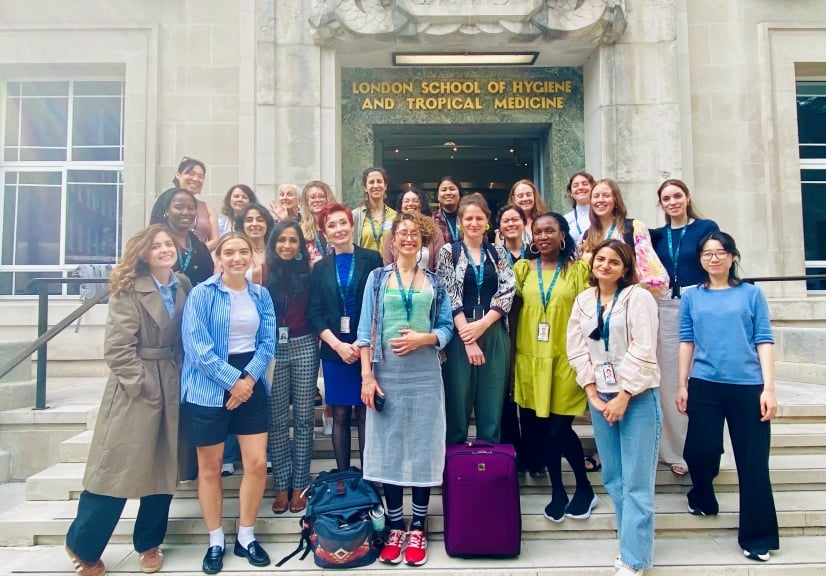
The course provided a comprehensive overview of the latest evidence, methods, and ethical considerations in GBV research, designed for researchers, practitioners, and policy professionals working to prevent and respond to violence against women and girls worldwide.
Monday opened with a warm welcome from GVHC Co-Directors and course organisers Dr Meghna Ranganathan and Dr Manuela Colombini, followed by a keynote from Dr Claudia Garcia-Moreno on ‘Conceptualising GBV: What Works’? The day explored the burden of disease, introduced conceptual frameworks, and concluded with a hands-on session on applying these frameworks to real research contexts.
On Tuesday, students delved into the role of gender norms and masculinities in driving violence, and examined research design and evaluation methods. The day included a blend of lectures and practical sessions on quantitative methods, and ended with students starting their group project work.
Wednesday focused on qualitative methods, and explored mixed methods approaches, economic evaluation, and integrating GBV responses into health systems. The day provided crucial tools for analysing complex, layered GBV data.
Thursday tackled some of the most challenging contexts for GBV research, including ethics, researcher safety, children and adolescents, and humanitarian settings. Afternoon panels addressed co-creation in research, equity in partnerships, and conducting research with vulnerable populations, with powerful contributions from researchers working in diverse field settings.
On Friday, students presented their group projects, reflecting on what they had learned throughout the week by designing GBV studies grounded in context, ethics, and rigour. Presentations covered diverse topics, including: sexual violence response in UK universities; understanding GBV experiences of LGBTI communities in wartime in Ukraine; and how climate-induced water shortages drive transactional sex for menstrual products among Kenyan adolescent girls.
The group presentations were followed by a guest lecture from Emily Esplen, Head of Ending Gender-Based Violence at the UK Foreign, Commonwealth and Development Office (FCDO), who shared insights on what works (and what doesn’t) to prevent violence against women and girls from the FCDO, grounding the week’s learning in urgent, real-world challenges and policy action, and discussing how to implement interventions at scale across syste, without compromising ethics, quality and intensity.
Ms Esplen’s talk followed a welcome from Professor Liam Smeeth, Director of LSHTM, who reflected on the difficult times facing health and equity worldwide, and the need for evidence and public health researchers now more than ever, encouraging participants to not give up, but to use this critical moment as a motivator to build their careers.
We are especially grateful to the Ford Foundation, whose generous support enabled 10 fully funded scholarships, helping to broaden access and participation across regions and sectors.
The course directors would like to extend a heartfelt thank you to all participants, speakers, and facilitators for their energy, dedication, expertise, and openness throughout the week, and for making this course an inspiring and truly global week of generative learning.
We look forward to seeing the continued impact of this community.
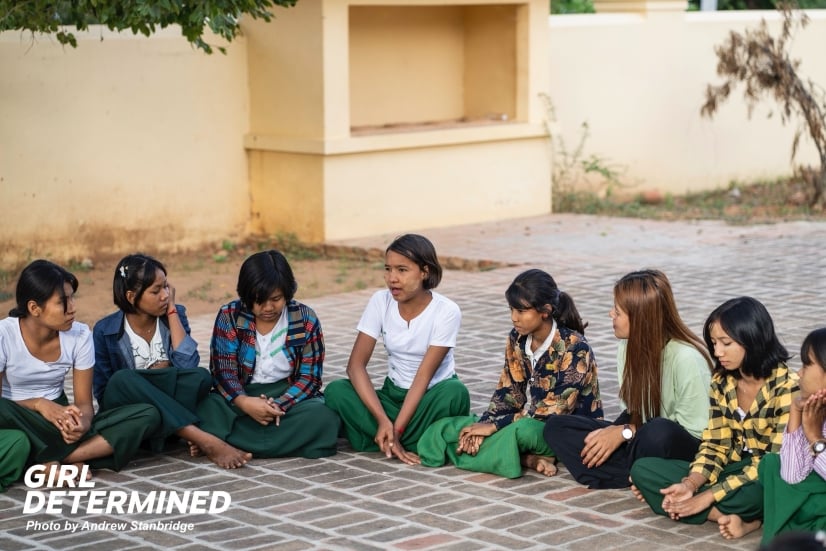
On 1 February 2021, Myanmar’s democratically-elected government was overthrown by the military, triggering widespread instability and deepening the socio-economic impacts of the COVID-19 pandemic. Since the coup, adolescent girls and young women across the country have faced increasing insecurity, displacement, and educational disruption – factors that significantly threaten their mental wellbeing.
During conflict, adolescent girls and young women are also at a greater risk of experiencing sexual and gender-based violence, early and forced marriage, and reduced access to sexual and reproductive health services.
A new study led by researchers at the London School of Hygiene & Tropical Medicine (LSHTM), University College London (UCL) and Girl Determined (GD) surveyed 750 girls aged 10-21 on their experiences of conflict-related stressors and mental health. Published in Conflict and Health, the study offers rare insights from within a highly restricted research environment.
The findings are stark: 40% of respondents reported direct experience of armed combat, over a third had been separated from family, and around one in ten had lost a family member. Nearly all participants (94%) reported symptoms of depression, with almost one in three considering self-harm and 70% saying they are so unhappy they struggle to sleep.
These results point to a need for targeted mental health support. The study recommends prioritising interventions for girls who are displaced, out of school, separated from parents, or living near active conflict. Suggested strategies include peer-support groups and basic psychosocial training for community-based care providers.
Isabelle Pearson, PhD Student in the Gender Violence and Health Centre (GVHC) at LSHTM, and lead author on the study, said:
“With research and humanitarian access in Myanmar so severely restricted, these findings offer a rare but urgent insight into the mental health impacts of conflict on adolescent girls across the country. As Myanmar faces both protracted violence and the aftermath of a major earthquake, there is an immediate need for tailored support for those most affected.”
Professor Cathy Zimmerman, co-founder of the GVHC and a co-author on the study, said:
“Girls and young women in Myanmar are living through war, displacement, and disaster - but the world has stopped watching. Their voices are missing from the headlines, yet many have witnessed terrifying violence that no child should ever see.”
Read the full article, or the publication.
The Researching Gender-Based Violence (GBV) Short Course at the London School of Hygiene & Tropical Medicine (LSHTM) continues to be a leading training ground for professionals looking to deepen their understanding of GBV research, policy, and practice. This immersive course draws on the expertise of renowned researchers and practitioners, offering participants a rich blend of methodological training, critical reflection, and real-world case studies.
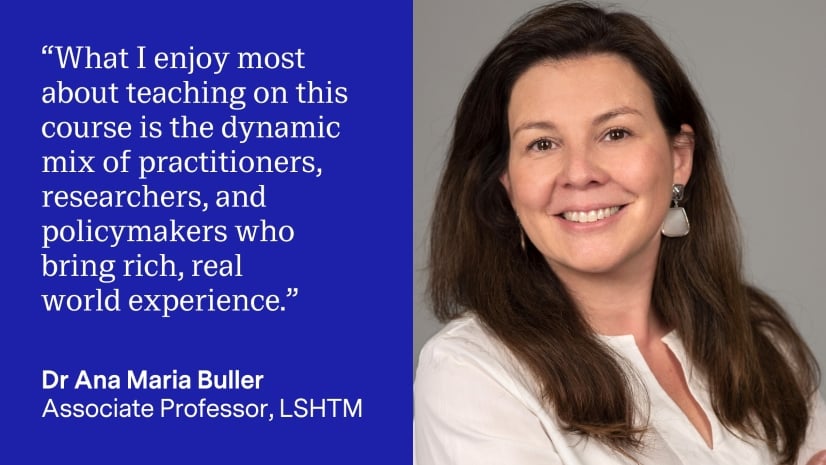
This year’s course, running 9-13 June, features lectures from Dr Loraine Bacchus, Dr Marcella Vigneri, Dr Ana Maria Buller, Daniel Carter, and Dr Meghna Ranganathan - each contributing distinct perspectives across a range of methods used in GBV research. They will cover study design and evaluation (Dr Marcella Vigneri), quantitative research (Daniel Carter), qualitative methods and analysis (Dr Ana Maria Buller), mixed methods (Dr Loraine Bacchus), and evaluation approaches including economic evaluation (Dr Meghna Ranganathan).
Sessions are grounded in lived experiences and fieldwork from around the world, with practical examples spanning intimate partner violence (IPV) prevention in Rwanda, domestic violence in LGBTQ+ communities in the UK, and evaluations of health system responses to GBV in low- and middle-income countries. The course helps participants develop the tools to design, implement, and assess interventions in complex settings, with a strong emphasis on ethical considerations and methodological rigour.
Reflecting on her experience teaching on the course, Dr Ana Maria Buller, Associate Professor at LSHTM, said: “What I enjoy most about teaching on this course is the dynamic mix of students - practitioners, researchers, and policymakers from around the world - who bring rich, real-world experience. The course becomes a space for shared learning, critical reflection, and meaningful exchange, which is always energising and inspiring.
“Students can expect to gain practical tools for researching gender-based violence, taught by leading experts who draw directly from their own fieldwork and academic research. The course combines cutting-edge evidence, ethical insight, and real-life case studies, offering a nuanced understanding of GBV research in diverse settings. Students also benefit from joining a global cohort of peers committed to driving meaningful change.”
Whether you're a practitioner, researcher, or policymaker, this course provides a unique opportunity to strengthen your skills and expand your network in the global effort to address gender-based violence.
The deadline for applications is 30 April 2025.
A powerful new documentary brings to life the findings of the HERA study - ‘Healthcare Responding to Violence and Abuse’ - exploring how health systems can better support women experiencing domestic violence in low-resource settings.
The film, produced by Rushmore Films in collaboration with local filmmakers, researchers and healthcare workers in Brazil, Nepal, the occupied Palestinian territories and Sri Lanka, showcases the challenges and opportunities for integrating survivor-centred care into health services. It features first-hand accounts and real-world stories of healthcare providers responding to violence against women, alongside the voices of women affected by domestic violence.
The documentary supports the wider aims of the HERA study, co-led by LSHTM and the University of Bristol, which tested context-specific interventions to strengthen health system responses to domestic violence. Findings in a recent evaluation paper show increases in the identification of domestic violence cases and improved heath provider readiness in most countries, while highlighting the need for tailored, culturally sensitive approaches.
Reflecting on this initiative, Loraine Bacchus, Professor of Global Public Health at LSHTM and Co-Director of HERA said: “We wanted to make this film to ensure the voices of women are at the centre of how we understand and improve the healthcare response to violence against women. It’s not just a film, but a tool for advocacy, education, and change.”
Dr Manuela Colombini, Co-Director of the Gender Violence and Health Centre at LSHTM and co-investigator on the HERA project said: "I hope this film drives action among policymakers, health managers, and healthcare providers to ensure every woman seeking support is met with empathy, compassion, and appropriate care."
Read the full article, and watch the film to learn more about how health systems can play a vital role in protecting and supporting women affected by violence.
If you’d like to learn more about methods for researching and evaluating gender-based violence, the GVHC is running a short course at LSHTM and online this June. Applications close 30 April.
This June, the Gender Violence and Health Centre at LSHTM will be running their short course: "Researching Gender-Based Violence: Methods and Meaning".
The course aims to enhance participants abilities to conduct or commission rigorous, ethical, and policy-relevant research on various forms of violence against women, children and adolescents. Participants will have the opportunity to learn from world-leading experts in gender and health, develop practical skills to implement evidence-based solutions, and expand your professional network with like-minded peers worldwide.
Hear from recent students about what they learnt, most enjoyed and how the course has benefitted their careers:
This course is of particular interest to those who want to strengthen their methodological skills and understanding of gender-based violence research, and those working on health-related topics such as sexual and reproductive health, maternal health, HIV, mental health, and substance abuse.
Participants can apply to attend online or in person in London. A limited number of fee waivers are available for offer holders from low- and middle-income countries to attend online.
The deadline for submission of fee waiver applications is Monday 31 March 2025, and applicants must hold an offer of a place before applying for the funding.
The deadline for final course applications is on 30 April 2025.
Don't miss this opportunity to advance your expertise in gender-based violence research, and join a community committed to making a difference.
Ahead of International Women’s Day, the Co-Directors of the Gender Violence & Health Centre (GVHC) and colleagues from the London School of Hygiene & Tropical Medicine (LSHTM) reflect on the urgent need to accelerate action to protect women and girls from experiencing gender-based violence (GBV) in a world facing complex challenges, such as concurrent conflicts, climate disasters, pandemics and ongoing geopolitical, economic, and social shocks.
Recent evidence on the impact of conflict on women and girls’ sexual and reproductive health and rights (SRHR), presented to the UK Parliament by Dr Neha Singh and Dr Michelle Lokot from the Health in Humanitarian Crises Centre at LSHTM and co-authored by GVHC members, highlights that GBV - including intimate partner violence, sexual exploitation, and trafficking - is exacerbated during humanitarian crises, with women and girls disproportionately affected.
Dr Michelle Lokot, Assistant Professor and Co-Director of the Health in Humanitarian Crises Centre, said: “In our testimony to the parliamentary committee, we underscored the critical need for consistent, multi-year funding for GBV prevention and response within humanitarian crises. With recent US and UK aid cuts, prioritising national and grassroots organisations – those closest to the issues – is now more essential than ever.”
Similar to research on GBV in the context of climate disasters, this evidence report shows that GBV in conflict settings is often rooted in pre-existing gender inequalities, and requires comprehensive responses that address both immediate needs and long-term support. Health services play a critical role, acting as entry points for medical, psychosocial, and legal support. However fragmented services and limited data collection can hinder effective interventions.
Researchers emphasise the need to prioritise GBV within humanitarian responses, ensuring the needs of women and girls are addressed across all phases of crisis recovery.
Dr Manuela Colombini, Associate Professor and Co-Director of the GVHC at LSHTM, said: "In humanitarian crises, GBV is not just a by-product of conflict, but it is an urgent, pervasive issue that demands multi-sectoral, survivor-centred responses, with accessible services that support women and girls before, during, and long after a crisis. Improving research on GBV is key to understanding its impact and enhancing responses to ensure no woman or girl is left without support.”
Reflecting on the importance of raising awareness of this issue, Dr Nambusi Kyegombe, Associate Professor and Co-Director of the GVHC at LSHTM said: "International Women's Day serves as a powerful reminder of the urgent need to address gender-based violence. It is an opportunity to amplify the voices of women and girls affected by GBV and to work with communities to accelerate collective action towards ensuring their safety, dignity, and access to essential services."
The GVHC is running a short course this June on ‘Researching Gender-Based Violence: Methods and Meaning’ at LSHTM and online. The course aims to strengthen participants’ knowledge and skills to conduct or commission technically rigorous, ethical and policy- and service-relevant research on various forms of violence against women, children and adolescents. A number of fee waivers are available for offer holders from, and residing in, Low- and Middle-Income countries to attend the course online. Fee waiver deadline 31 March 2025; applications close 30 April 2025.
Dr Meghna Ranganathan, Associate Professor and Co-Director of the GVHC at LSHTM said: "Investing in rigorous research and knowledge exchange is essential to strengthen GBV interventions for prevention and response. Equipping practitioners with the latest evidence-based approaches through specialised training courses can help ensure that survivor-centred approaches are both effective and sustainable.”
The Gender Violence and Health Centre at the London School of Hygiene & Tropical Medicine (LSHTM) will be running the "Researching Gender-Based Violence: Methods and Meaning" short course from 9 to 13 June 2025.
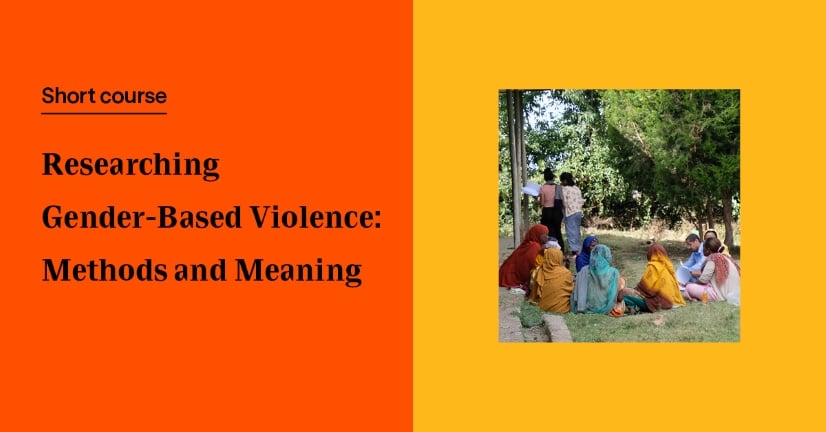
This course aims to strengthen participants’ knowledge and skills to conduct or commission technically rigorous, ethical, and policy-relevant research on various forms of violence against women and girls.
Participants will learn from world-leading experts in gender and health, develop practical skills to implement evidence-based solutions, and expand your professional network with like-minded peers worldwide.
The course will be held both in person in London, and online. The deadline for applications is 30 April 2025.
A small number of tuition fee waivers are available for offer holders from Low- and Middle-Income Countries to attend the course online. The deadline for submission of fee waiver applications is 31 March 2025, and applicants must hold an offer of a place before they can apply for any funding.
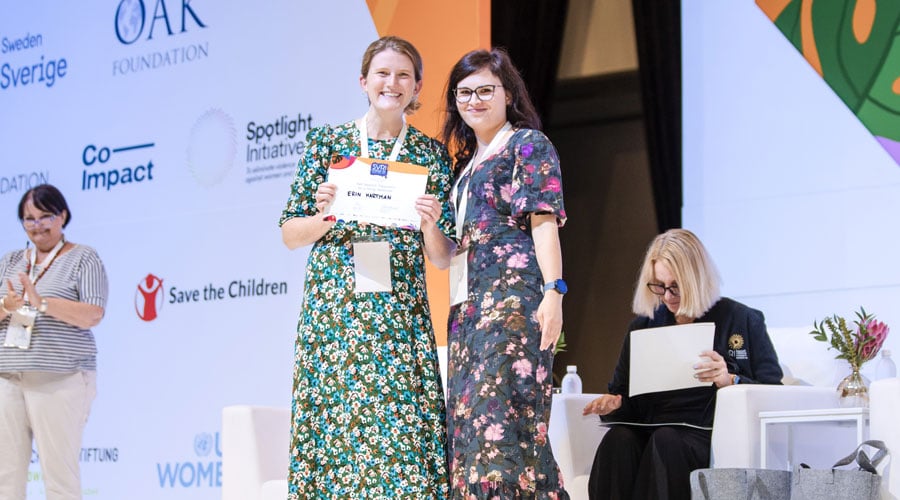
Congratulations to PhD student and Research Fellow, Erin Hartman, who received an award at SVRI for her presentation titled, "You stop someone from using contraception, and then, blame them later when they get pregnant:” Reproductive Oppression of Girls and Young Women – Findings from Qualitative Research with Family Planning Service-Users.
Recently, I had the incredible opportunity to attend the Sexual Violence Research Initiative (SVRI) Forum 2024 in Cape Town. As a first-time attendee—and one of sixteen delegates from the Gender Violence and Health Centre (GVHC) at LSHTM—I was both excited and curious about what awaited me at one of the largest global conferences dedicated to ending violence against women and children (VAWC).
First impressions
With over 1,500 delegates, the scale of the event was awe-inspiring. From researchers and practitioners to funders and INGOs, it felt like the major stakeholders were represented. Meeting people from various career stages, including scholars whose work I admire, made it hard not to feel a bit starstruck!
The diversity of sessions was equally striking, spanning methodological advancements in violence measurement, understanding perpetration, reproductive justice, scaling up evidence-based interventions, and promoting safe and meaningful youth participation. To describe it as an intellectually stimulating environment would be an understatement.
Building connections
One of my highlights was connecting with others in the field. Delegates organised networking sessions based on niche research areas and geographical regions. Thematic workshops and presentations encouraged critical discussions around common research interests, while cozy dinners and lively group dances fostered connections on a personal level. It was also exciting to meet others working on completely different themes—only to find unexpected parallels in our work, leading to conversations that would carry forward post-forum.
As a member of the Early Career Research in Gender-Based Violence Community at the GVHC and globally (@ECRGBVglobal), I was reassured by the presence of friendly faces in the crowd—people who empathised with the joys and struggles of finding our feet in this field (not least battling imposter syndrome). Meeting colleagues I had only interacted with online, and strengthening existing connections with the GVHC, was equally rewarding. I know they will remain allies in this shared cause for many years to come.
Poster presentation
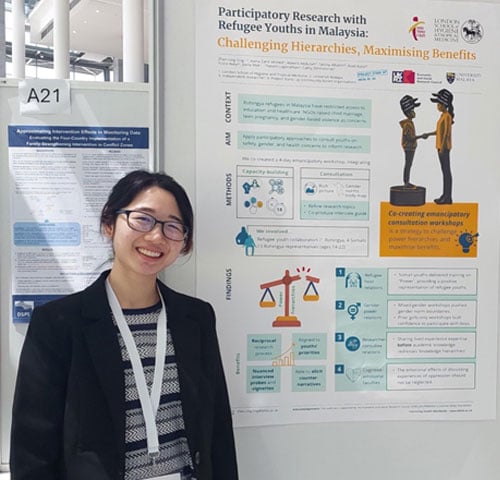
The poster hall was one of the many vibrant spaces at the forum—spacious, brightly lit, and buzzing with energy. Over three days, around 190 posters were exhibited, offering delegates the choice to either wander leisurely along the aisles or plan targeted visits using the programme booklet. I had the opportunity to share an aspect of my PhD research through my poster, titled “Participatory Research with Refugee Youths in Malaysia: Challenging Hierarchies, Maximising Benefits.”
My poster showcased how co-creating emancipatory workshops with refugee youths—integrating capacity-building with research consultation—and co-delivering these sessions to a Rohingya Youth Research Advisory Group were effective strategies for simultaneously challenging intersecting power hierarchies and maximising benefits of the research process. Engaging with delegates who stopped by to learn more was a rewarding experience, as was having friendly chats with poster neighbours and exploring the work of others in the hall. It was a great way to support new friends made at the forum and gain fresh insights from diverse research projects.
A standout topic
The topic of technology-facilitated gender-based violence (TFGBV) made a lasting impression. This concept reframes GBV as part of an offline-online continuum, delving into areas such as cyber-dating violence, the impact of the adult entertainment industry on children, and violence in extended reality. The breadth of research also posited the dual role of Artificial Intelligence as a tool for both violence perpetration and intervention, as well as the pressing issues of regulation and accountability. These insights expanded my perspective and introduced new dimensions to consider in my work.
Wrapping up with wellness and a bit of adventure

The forum’s emphasis on wellness did not go unnoticed—or unutilised. Programmes such as counselling and trauma release exercises reinforced the importance of collective care in sustaining our work in this emotionally demanding field. In that vein, I joined new friends for some sightseeing in Cape Town. Visiting Table Mountain, exploring local markets, and taking plenty of photos made for a memorable finale to an inspiring week.
Final thoughts
The SVRI Forum 2024 was a special experience in my PhD journey. It reminded me that, although our work may sometimes feel solitary, we are part of a larger, collective purpose. As one plenary speaker stated, “By signing up to the SVRI, you are signing up for a mission of ending violence against women and children in our lifetime.” This ambitious statement reinvigorated my commitment to tackling violence and promoting gender equality among migrant and displaced communities in Southeast Asia through meaningful youth participation. Here’s to the ideas sparked, the connections made, and the continued momentum to create a world free from violence.
Written by Zhen Ling Ong (Alyson), a 4th-year PhD student at the Gender Violence and Health Centre, London School of Hygiene & Tropical Medicine. This work has been supported by the Economic and Social Research Council (ESRC) [ES/P000592/1] and the Millby Foundation, with guidance from my supervisors, Prof Cathy Zimmerman, Dr Joelle Mak, and Associate Professor Dr Tharani Loganathan.
Join the Gender Violence and Health Centre (GVHC) and Centre for Maternal, Adolescent, Reproductive, & Child Health (MARCH) for our programme of events during the 16 Days of Activism against Gender-Based Violence.
Webinar link (to use for all sessions except for the event on 27th November which requires separate registration).
Webinar ID: 993 6374 8053
No passcode
| Date | Session/Theme | Speakers | Session description |
|---|---|---|---|
25/11/24 12:45-14:00 Hybrid Keppel St, room 121 | Understanding Gender-Based Violence: Foundations and Key Insights: Introduction to Gender Based Violence Introduction to the Gender Violence and Health Centre Decolonising the field of violence against women and girls | Dr Manuela Colombini, Gender Violence and Health Centre, LSHTM Dr Meghna Ranganathan, Gender Violence and Health Centre, LSHTM Dr Nambusi Kyegombe, Gender Violence and Health Centre, LSHTM | This session provides foundational knowledge and critical insights into the field of gender-based violence (GBV). It will begin with an introduction to GBV, outlining its scope, causes, and impacts on individuals and societies. Attendees will also be introduced to the Gender Violence and Health Centre, exploring its mission, research focus, and contributions to the field. The session will conclude with a thought-provoking discussion on decolonising the study and practice of violence against women and girls, examining the legacy of colonialism on the field and exploring potential strategies for decolonising the field. |
26/11/24 12:45-14:00 Online only | Panel Discussion: Edutainment Interventions to Prevent Violence Against Women and Girls
| Erick Mallya, UZIKWASA, Tanzania Marjorie Pichon, Gender Violence and Health Centre, LSHTM Veronicah Gimunta, Amani Girls Organization, Tanzania Dr Ana Maria Buller, Gender Violence and Health Centre, LSHTM Dr Tanya Abramsky, Gender Violence and Health Centre, LSHTM Janet Nakuti, Raising Voices Venetia Baker, LSHTM Sara Piot, MTV Staying Alive Foundation | This panel highlights the innovative use of edutainment—educational entertainment—as a powerful strategy for preventing violence against women and girls. Featuring four insightful presentations, the session explores how creative media interventions, particularly radio dramas and multi-platform storytelling, can shift harmful social norms and promote gender equality. Presentations include: "Edutainment for Change," which focuses on a radio drama in Tanga, Tanzania, addressing gender-based violence and violence against children; "The Girl in the Middle," which discusses the co-development of a radio drama aimed at changing norms around age-disparate transactional sex in Tanzania; "Together with Gloria," which shares lessons from a radio drama in Uganda that works to prevent intimate partner violence alongside the SASA! Together approach; and "Addressing Gender-Based Violence through Storytelling," which explores MTV Shuga’s multi-platform approach to tackling gender-based violence. These diverse case studies demonstrate the potential of media to engage, educate, and inspire social change, offering key insights into the power of storytelling for violence prevention |
27/11/24 10:30-14:30 Registration link: | Healthcare Responding to Violence and Abuse in Brazil, Nepal, Sri Lanka and occupied Palestinian Territories 1. Opening: Claudia Garcia Moreno, WHO 2. Overview of HERA findings: Professor Ana Flavia d’Oliveira, University of Sao Paulo 3. Unexpected findings and implications - Dr Stephanie Pereira, University of Sao Paulo - Dr Poonam Rishal, Kathmandu University - Dr Abdulsalam Alkaiyat, An-Najah National University - Professor Thilini Rajapakse, University of Peradeniya 4. First screening of the HERA film 5. Panel with external key discussants from each country 6. General audience discussion (in person and online) 7. Closing Professor Loraine Bacchus, LSHTM | Dr Claudia Garcia Moreno, World Health Organisation Prof. Ana Flavia d’Oliveira, University of Sao Paulo Dr Stephanie Pereira, University of Sao Paulo Dr Poonam Rishal, Kathmandu University Dr Abdulsalam Alkaiyat, An-Najah National University Prof. Thilini Rajapakse, University of Peradeniya Prof. Loraine Bacchus, Gender Violence and Health Centre, LSHTM | This session will present the findings of HERA (Healthcare Responding to Violence and Abuse), a National Institute for Health and Care Research (NIHR) Global Research Group that over the last five years has been developing and evaluating a domestic violence and abuse healthcare intervention in low and middle-income countries |
28/11/24
12:45-14:00 Hybrid Keppel St, room G04 | Policy Analysis: A bottom-up approach to understanding local government implementation of Tanzania’s National Plan of Action to End Violence Against Women and Children (NPA-VAWC) Multi-sectoral interventions to address GBV with Female Sex Workers in Malawi | Mark Marchant, Gender Violence and Health Centre, LSHTM Prof. Nicola Desmond, NIHR Global Health Research Professor, LSHTM Liverpool School of Tropical Medicine | This session examines two impactful presentations that focus on policy and multi-sectoral approaches to addressing gender-based violence (GBV) in different contexts. The first presentation, "Policy Analysis: A Bottom-Up Approach to Understanding Local Government Implementation of Tanzania’s National Plan of Action to End Violence Against Women and Children (NPA-VAWC)," takes a deep dive into the local government’s role in implementing Tanzania’s national strategy, exploring how bottom-up perspectives can enhance the effectiveness of policies and interventions at the community level. The second presentation, "Multi-Sectoral Interventions to Address GBV with Female Sex Workers in Malawi," highlights a comprehensive, cross-sector approach to supporting female sex workers in Malawi, emphasizing collaboration between health, legal, and social services to reduce violence and improve outcomes for this highly marginalized group. Together, these presentations provide critical insights into how policy frameworks and integrated interventions can work together to prevent and address GBV in diverse contexts. |
29/11/24 12:45-14:00 Online only | Panel discussion: Ethical challenges in Violence Research: Ensuring Integrity and Responsibility | Prof. Shelley Lees, Gender Violence and Health Centre, LSHTM Prof. Karen Devries, Child Protection Research Group, LSHTM Dr Ana Maria Buller, Gender Violence and Health Centre, LSHTM | This panel will explore the complex ethical dilemmas faced by researchers studying violence, from ensuring participant safety to navigating the risks of harm in sensitive environments. It will consider best practices for conducting violence-related research with integrity, focusing on maintaining scientific rigor while prioritising the well-being of participants and communities. The session will also examine the responsibility of researchers in preventing misuse of findings, addressing biases, and promoting ethical accountability across diverse contexts |
02/12/24 12:45-14:00 Hybrid Keppel St, room G04 | Sexual violence and reproductive justice
| Christine Anyanga, GVHRG MRC/UVRI and LSHTM Unit Erin Hartman, Gender Violence and Health Centre, LSHTM Dr Ana Maria Buller, Gender Violence and Health Centre, LSHTM
| This session focuses on the sexual violence and reproductive justice, exploring how structural and institutional responses can better support survivors and promote justice. The first presentation examines the role of duty bearers in Uganda in responding to sexual harassment, assessing the knowledge, attitudes, and actions of key actors involved in addressing this pervasive issue. The second presentation explores the reproductive oppression faced by girls and young women, highlighting findings from qualitative research with family planning service users in relation to contraceptive access and coercion. The final study evaluates the HERMES intervention for domestic violence and abuse among gay, bisexual, and other men who have sex with men, offering insights into how sexual health clinics can be leveraged to provide safer, more inclusive services. Together, these presentations underscore the urgent need to address both sexual violence and reproductive rights to ensure comprehensive care and justice for all survivors. |
03/12/24 12:45-14:00 Online only | Technology facilitated gender based violence
| Dr Gerry Mshana, National Institute for Medical Research, Tanzania Diana Aloyce & Innocent Yawanga, NIMR, Tanzania Devika Gupta, PhD Candidate Sangath/LSHTM, India | This session explores the rising challenge of technology-facilitated gender-based violence (TFV), highlighting experiences from diverse contexts in Tanzania and India. The first presentation examines the toxic interface between online and in-person intimate partner violence (IPV) against female college students in Tanzania, shedding light on how digital platforms amplify abuse. The second study delves into male students' experiences of TFV in Mwanza, Tanzania, focusing on coping mechanisms and the social dynamics at play. The final presentation explores the use of social media for controlling and coercing dating partners among Indian college students, offering insights into the role of smartphones in shaping modern relationships and violence. Together, these studies highlight the complex and evolving nature of TFV and its profound impact on young people across different cultural settings |
04/12/24 12:45-13:45 Hybrid Keppel St, room 207A | From Ethical Principles to Practice: Engaging Refugee Youth in Gender-Based Violence Research [Case study presentation and discussion] | Zhen Ling Ong, Gender Violence and Health Centre, LSHTM | Building on the ethical considerations in violence research discussed in the preceding panel, this session poses the question: “What additional benefits and challenges arise when involving youth in high-risk situations in research on sensitive topics, such as child marriage as a form of gender-based violence?” The session will begin with a case study demonstrating how ethical principles were applied in the design and implementation of a participatory research project with Rohingya refugee youths in Malaysia. Key components include the establishment of a Rohingya Youth Research Advisory Group and the co-creation of emancipatory workshops that integrated capacity-building with research consultation. It will also highlight the importance of centring youth perspectives, particularly how these have generated counter-narratives to child marriage with implications for intervention design. In the second half, attendees will engage in a discussion on the value, opportunities, and challenges of involving youth in gender-based violence research. The conversation will also examine when such involvement is appropriate and how to ensure it is conducted safely and meaningfully, maximising benefits for all involved. |
05/12/24 12:45-14:00 Online only | Economic interventions to prevent Intimate Partner Violence
| Dr. Meghna Ranganathan, Gender Violence and Health Centre, LSHTM Dr. Ana Maria Buller, Gender Violence and Health Centre, LSHTM | This session will examine the role of economic interventions in preventing intimate partner violence (IPV), featuring two impactful studies from Bangladesh and Ethiopia. The first presentation explores the long-term impacts of cash transfers, food transfers, and behavior change communication on IPV, drawing from an eight-year post-programme follow-up in Bangladesh. The second presentation delves into the "Cash Plus" approach in Ethiopia, highlighting the added benefits of group delivery in reducing IPV. Together, these studies provide valuable insights into how economic empowerment strategies can be integrated with social support systems to prevent IPV and improve outcomes for women and communities. |
06/12/24 12:45-14:00 Hybrid Keppel St, room LG04 | Pecha Kucha PHD showcase
| Zhen Ling Ong, Gender Violence and Health Centre, LSHTM Dr Yang Zhao, Gender Violence and Health Centre, LSHTM | This session highlights innovative violence-related PhD research from GVHC, showcasing two distinct studies that explore the intersection of violence, displacement, and social transformation. The first study focuses on co-creating safe spaces for Rohingya girls in Malaysia through participatory action research with urban refugees and asylum-seekers, examining how collaborative efforts can empower vulnerable communities. The second presentation explores "The Voyage to Manhood in the ‘New Uzbekistan’," investigating how societal expectations of masculinity influence young men's experiences of violence and identity in Tashkent. Both studies offer unique insights into the role of social and cultural contexts in addressing violence and promoting resilience. |
09/12/24 12:45-13:45 Hybrid Keppel St, room LG04 | The effects of childhood exposure to violence on experiences of intimate partner victimisation and perpetration in young adulthood: A cohort study in Uganda | Daniel Carter, Child Protection Research Group, LSHTM | Both violence against women (VAW) and violence against children (VAC) are recognised as global public health and human rights issues. But how do we understand the intersection between experiencing violence in childhood and experience and use of violence in later life? Using data from a cohort study in Luwero, Uganda, this talk will overview the longitudinal impact of different patterns of VAC experience on later life intimate partner violence. Further, this talk will provide methodological commentary on issues in measurement of VAC and on how violence can be established as a cause, while reflecting on the possible implications of causal links between VAC & VAW for programmatic action. |
10/12/24 12:45-13:45 Hybrid Keppel St, room LG04
| Operationalising the participation of refugees and internally displaced populations in research on GBV and gender equality: challenges and risks in humanitarian settings | Dr. Michelle Lokot, Gender Violence and Health Centre, LSHTM | In humanitarian settings, there is limited understanding of how to operationalise ‘participation’ of refugees in research. This means participation may be tokenistic, or assumed to always be positive. Based on a scoping review and interviews with practitioners who conducted research on GBV and gender equality using participatory approaches, this presentation explores the possibilities, challenges and risks of promoting refugee participation in research. |
Join us to discuss the findings of HERA (Healthcare Responding to Violence and Abuse), a National Institute for Health and Care Research (NIHR) Global Research Group that over the last five years has been developing and evaluating a domestic violence and abuse healthcare intervention in low and middle-income countries. Registration is free and there is an option to join in person or online.
This event is both a celebration of the completion of the Group’s work and an opportunity to reflect on its impact and implications.
HERA was co-led by the University of Bristol and London School of Hygiene & Tropical Medicine. Specific country studies were led by the University of Sāo Paulo in Brazil, An Najah National University in the Occupied Palestinian Territories, Kathmandu University in Nepal and the University of Peradeniya in Sri Lanka.
The World Health Organization provided additional methodological, technical and policy expertise on health systems interventions for violence against women.
There will be a launch screening of a short film about HERA during the event.
The Gender Violence and Health Centre (GVHC) is pleased to announce that Professor Karen Devries, a leading member of GVHC, head of the Child Protection Research Group, and Professor of Social Epidemiology at LSHTM, has been invited to speak at the First Global Ministerial Conference on Ending Violence Against Children. This important gathering, held in Bogotá, Colombia, on November 7-8, 2024, will convene global leaders, policymakers, and researchers dedicated to strategies and solutions for ending violence against children.
Professor Devries will participate in the session on ‘Safe and Enabling School Environments’ scheduled for Friday, November 8, from 2-3pm. Her presentation will focus on the critical role of schools in creating safe, supportive environments for children and adolescents, contributing valuable insights from her extensive research in social epidemiology and child protection.
View the full event programme.
Professor Devries’s research is dedicated to using epidemiological methods to understand and address violence against children, adolescents, and women. We are proud of her contributions to GVHC’s mission and look forward to the impact of her insights on this global platform.
Professor Loraine J Bacchus and Centre Co-Director, Dr Manuela Colombini, presented key findings from a systematic review recently published in The Lancet Public Health, conducted in collaboration with UNICEF, and the Sexual Violence Research Initiative (SVRI). The recorded webinar can be found below, and on the SVRI website here: https://www.svri.org/webinar-recap-interventions-to-end-intimate-partner-violence-ipv-and-violence-against-children-vac/
Presenter: Dr Edmond Choi
Date/Time: Tuesday 18th June 12:30pm to 2:00pm.
Location (Hybrid): Tavistock Place 2, Room 207
https://lshtm.zoom.us/j/97753215097?pwd=RWNoemEyWE9BazI4aGRrckNVUklodz09&from=addon
Abstract
Sexual violence among gay men remains a significantly under-addressed issue within both service provision and academia in Hong Kong. This presentation will focus on a qualitative inquiry into the experiences and perceptions of sexual violence among gay men in the region. Additionally, it will cover preliminary findings from an ongoing mixed-methods study on technology-facilitated sexual abuse among gay men in Hong Kong. The insights gained should pave the way for increased research, resource allocation, and proactive measures in this field.
Bio
Dr Edmond Choi, PhD, RN (Hong Kong), FRSPH, FHEA, FAAN, is a registered nurse and an Assistant Professor at the School of Nursing, University of Hong Kong. His research focuses on sexual health, with an emphasis on LGBTQ+, adolescents, and young adults. He has conducted studies investigaing different forms of sexual violence, both in-person and technology-facilitated, among various at-risk populations in Chinese contexts. Additionally, he has led studies testing the effectiveness of various sexual health promotion interventions among men who have sex with men (MSM). For example, he has developed an eHealth intervention to promote condom use among MSM dating app users and another intervention to reduce sexual harm related to chemsex. He has published 110+ articles and is Associate Editor for Sexual Health.
Related publications
Perceptions and experiences of sexual violence among Chinese men who have sex with men in Hong Kong.
A comprehensive systematic review, led by a team of by our Co-director, Manuela Colombini and Professor Loraine Bacchus , has shed light on effective interventions to prevent or respond to Intimate Partner Violence (IPV) against Women and Violence against Children (VAC).
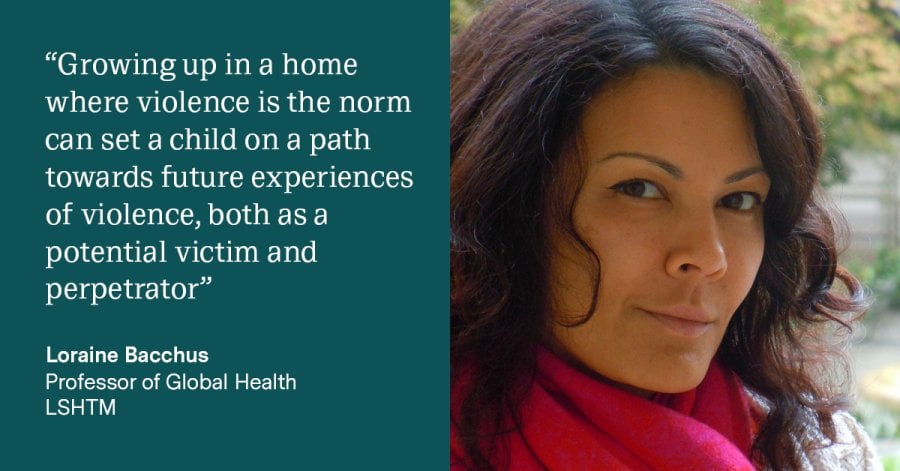
Applications are now open for the 2023 GVHC Researching Gender-based Violence Short Course! Gain the skills to conduct or commission technically rigorous & ethical research on various forms of violence against women.
Running 6 - 10 Nov, in London & online.
Apply online at: https://www.lshtm.ac.uk/study/courses/short-courses/gender-violence
A new podcast episode released on "How Can Social Protection Impact Gender-based Violence?"
This episode is part of the three-part series ‘’Social Protection for Prevention of and Response to Gender-based Violence’’ and features conversation between:
- Ana Maria Buller, Associate Professor in Social Sciences and Director of the Gender Violence and Health Centre, London School of Hygiene and Tropical Medicine
- Lusajo Kajula, Principal Investigator, UNICEF Office of Research - Innocenti
- Amber Peterman, Research Associate Professor, University of North Carolina at Chapel Hill
This episode presents a deep dive into what we know about the impacts of social protection on gender-based violence (GBV) and some of the remaining knowledge gaps. We look at economic empowerment programmes and how they can help reduce economic stress and challenge gender norms that often drive violence in community settings.
Drawing from the available evidence, our guests were also invited to reflect on both the positive pathways through which social protection can contribute to reducing intimate partner violence (IPV) and the possibility of it introducing risks of increased violence. Finally, as some food for thought, what would a feminist social protection policy look like?
Dr Loraine Bacchus and Dr Manuela Colombini of GVHC and Prof Dr Shanaaz Mathews are serving as guest editors along with Alessandra Guedes as co-guest editor for the International Journal of Environmental Research and Public Health special issue on "The Intersections between Intimate Partner Violence and Violence against Children: Impacts and Approaches to Interventions".
Deadline for submission is: 1 September, 2023
Dr Meghna Ranganathan of GVHC and Dr Amber Peterman have co-authored a new blog:
How is economic security linked to violence against women and children? New insights from the Sexual Violence Research Initiative Forum 2022
In the blog they summarize new work across five categories:
- Cash transfers and "cash-plus" programming
- Gender-transformative livelihoods, agriculture, and skill-building interventions
- Integrating violence prevention strategies with livelihood and economic programming in humanitarian and displacement settings
- Costing and cost-effectiveness
- Financial abuse, violence in the workplace, and more
We are now accepting applications for the LSHTM/GVHC Researching Gender-Based Violence: Methods and Meaning short course: https://www.lshtm.ac.uk/study/courses/short-courses/gender-violence
Develop skills to conduct research on Gender-based Violence!
Learn how to:
- Measure violence
- Assess the relationship between violence and health
- Meet ethical & safety obligations
The course will run from 31 October - 11 November 2022.
Contact the short course organisers with any questions: Dr Meghna Ranganathan and Dr Ana Maria Buller
At the GVHC meeting in May co-authors:
- Dr Philipp Schulz from the University of Bremen
- Dr Anne-Kathrin Kreft from the University of Oslo
- Dr Heleen Touquet from the University of Leuven, and
- Independent Consultant Ms Sarah Martin
shared their experience with, and tips for self-care in gender-based violence research.
More information can be found in their presentative available here.
And in their published article: "Self-care for gender-based violence researchers – Beyond bubble baths and chocolate pralines” presented their tips for self-care"
A new commentary on global research into cash transfers to prevent intimate partner violence by Tia Palermo, Clare Barrington, Ana Maria Buller, Lori Heise, Melissa Hidrobo, Meghna Ranganathan and Shalini Roy was published today in The Lancet Global Health.
Read more here: https://www.sciencedirect.com/science/article/pii/S2214109X22000389
As part of the HERA academic writing workshop for early career researchers that took place this summer, Dr Sandi Dheensa (University of Bristol) interviewed three academic journal editors about publishing:
Prof Rebecca Macy, University of North Carolina, Journal of Family Violence Editor
Prof Caroline Bradbury Jones, University of Birmingham, Associate Editor of for Journal of Clinical Nursing and the International Journal of Social Research Methodology and former editor of Child Abuse Review
Dr Ṣẹ̀yẹ Abímbọ́lá, University of Sydney+Utrecht, BMJ Global Health Editor in chief
GVHC members Dr Manuela Colombini, Dr Loraine Bacchus, Isabelle Pearson and Heidi Stöckl presented their work on the UNICEF Office of Research-Innocenti webinar on: Intersections between Violence Against Children and Women - Prevention and Response: Identifying Evidence Gaps and Opportunities for Collaboration
Marcella Vigneri of CEDIL - The Centre of Excellence for Development Impact and Learning - chairs a webinar on amplifying the voices of the Global South.
Manuela Colombini, Assistant Professor at LSHTM and Avni Amin, Technical Officer, WHO co-facilitated the webinar on: Innovations in strengthening health systems preparedness to address violence against women: learnings from providing accessible, quality, and gender-responsive services
The five presentations are:
-
Ana Flavia de Oliveira: "Is training primary health care providers enough? Findings from a pilot study in Brazil"
-
Ana Baptista: "Innovations on health systems response to violence against women – Experience of Mozambique using Quality Assurance Tool
-
Abdulsalam Alkaiyat: "Integrating violence against women in occupied Palestinian Territories: challenges and enablers"
-
Sanjida Arora and Sonali Deshpande: "Innovations in implementing research to strengthen health provider capacity and facility readiness in responding to violence against women in Maharashtra, India"
-
Sharifullah Haqmal: "Health systems response to gender-based violence in Afghanistan – lessons learned from scaling up the national protocol"
New blog posted on the SVRI website on “Applying feminist principles to GBV data collection: Lessons from the COVID-19 pandemic”, featuring Professor Heidi Stöckl
Dr Heidi Stöckl has been promoted to Professor of Social Epidemiology.
Dr Stöckl researches violence against women and girls and adolescents. She is Director of the Gender Violence and Health Centre and Head of the World Health Organisation Collaborating Centre on researching gender based violence. She currently leads, with Dr Mshana from the Mwanza Intervention Trials Unit, the first longitudinal study on predictors and consequences of intimate partner violence in Tanzania.

Dr Ana Maria Buller has been promoted to Associate Professor in Social Science
Dr Buller researches gender based violence, sexual exploitation of children and adolescents and intervention development. She is Deputy Director of the Gender, Violence and Health Centre and heads the Learning Initiative on Norms, Exploitation and Abuse (LINEA) project, a global learning initiative on social norms and sexual exploitation of children and adolescents.

For the 16 Days of Activism Against Gender-Based Violence campaign, the Gender Violence Health Centre (GVHC) hosts an annual seminar series at the London School of Hygiene & Tropical Medicine (LSHTM). This year’s series will highlight the research underway by the GVHC.
The series will begin on the International Day for the Elimination of Violence Against Women (25 November) and will run until Human Rights Day (10 December).
2020 marks the 29th year of the campaign.
Additional event details, and instructions on how to join, are available on the LSHTM webpage here: https://www.lshtm.ac.uk/newsevents/events/series/16-days-activism-against-gender-violence
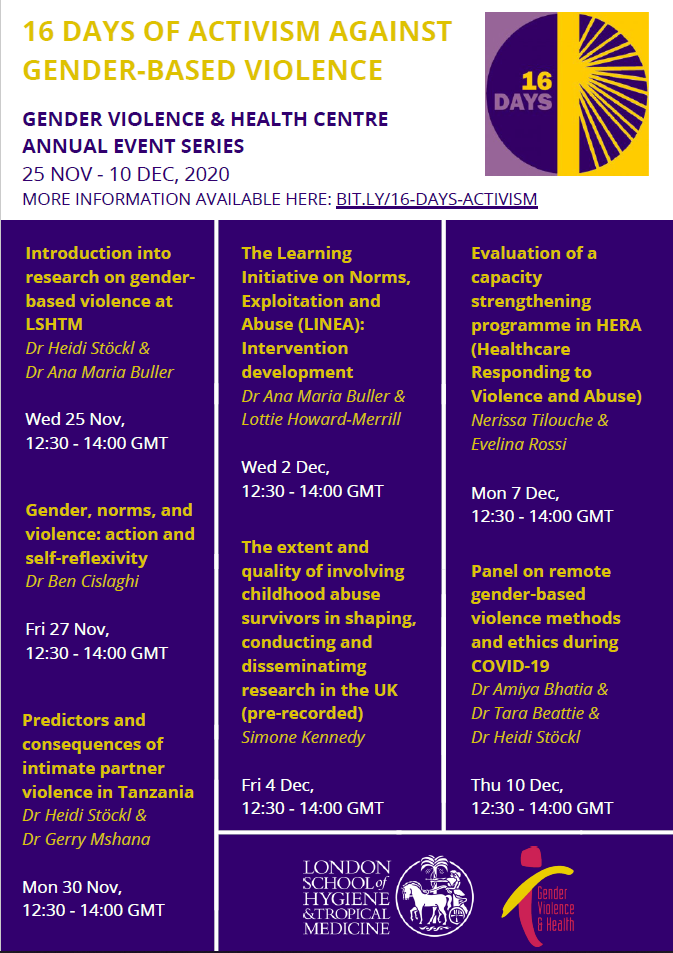
A new Mixed-Methods Systematic Review on Infidelity, Romantic Jealousy, and Intimate Partner Violence Against Women was recently published as part of an output of the Romantic Jealousy (RJ) and IPV Collaboration; led by Dr. Ana Maria Buller and coordinated by Marjorie Pichon of GVHC, and including many partners around the globe.
This review includes 51 papers from 28 countries around the world, and characterizes and synthesizes the existing literature on:
- the frequency with which infidelity and RJ are cited as triggers for IPV across different regions,
- how widespread the association between them is,
- and the mechanisms and pathways of infidelity and RJ leading to IPV.
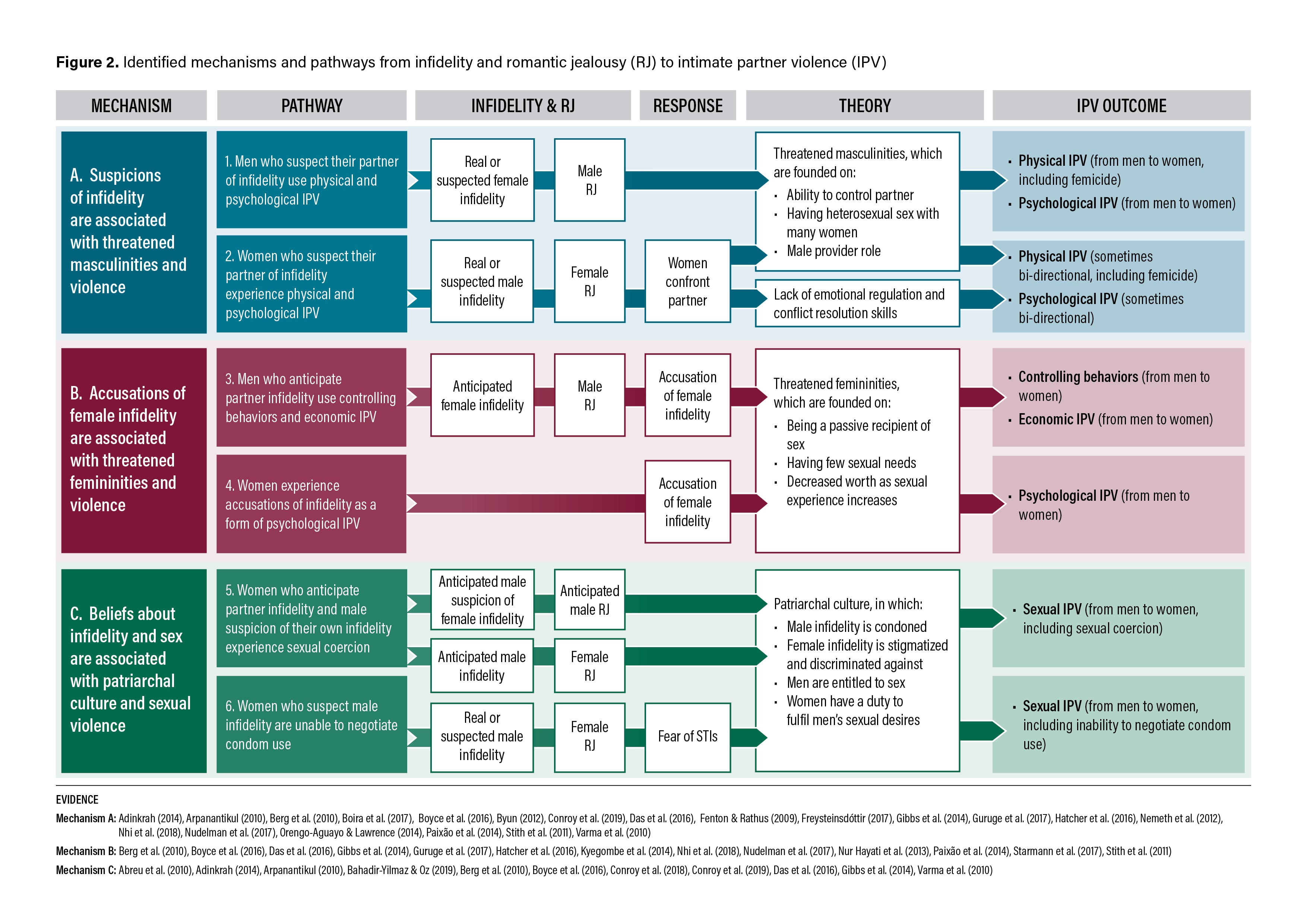
This review contributes to the field of VAW by expanding our understanding of the role of RJ—an understudied relational driver of IPV—and highlights the importance of using standardized measurement tools that make the distinction between RJ and suspected, confirmed and accusations of infidelity. Furthermore, the review highlights the need for policy and programming that aims to transform traditional gender roles, accounting for infidelity and RJ and improving couple’s communication and trust.
A full version of the publication is available for free here: https://www.mdpi.com/1660-4601/17/16/5682/htm
Dr Gerry Mshana and Dr Heidi Stöckl presented “The Effect of COVID-19 on Women, Livelihood, and Violence in Mwanza, Tanzania” at the SI 2020 Gender in the Economy, National Bureau of Economic Research Conference.
Details can be found on the following page: http://conference.nber.org/sched/SI20GE
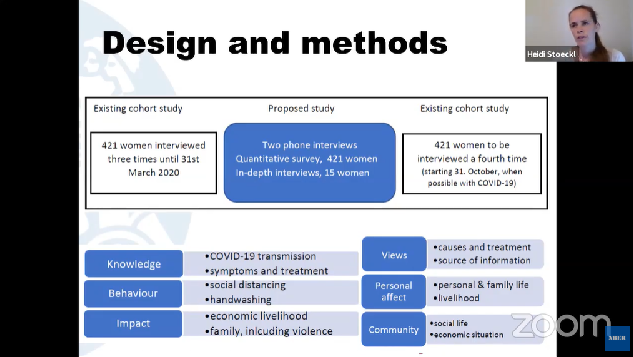
The Gender and COVID-19 working group launched their new website!
https://www.genderandcovid-19.org/
The Learning Initiative on Norms, Exploitation and Abuse (LINEA) has recently published a global systematic review of 49 studies from 37 countries around the world on social norms, attitudes, and factual beliefs linked to the sexual exploitation of children and adolescents.
An evidence brief of the review findings is also available.

Dr Amiya Bhatia of GVHC co-authors blog pieces published at the UNICEF Office of Research-Innocenti.
The pieces are titled:
For mental health awareness week, Dr Tara Beattie is interviewed about her work on the Maisha Fiti study. This study involves 1000 sex workers in Nairobi, evaluating whether social factors such as violence, mental health, and alcohol use, could be causing changes in women’s immune systems and leaving them more susceptible to HIV infection.
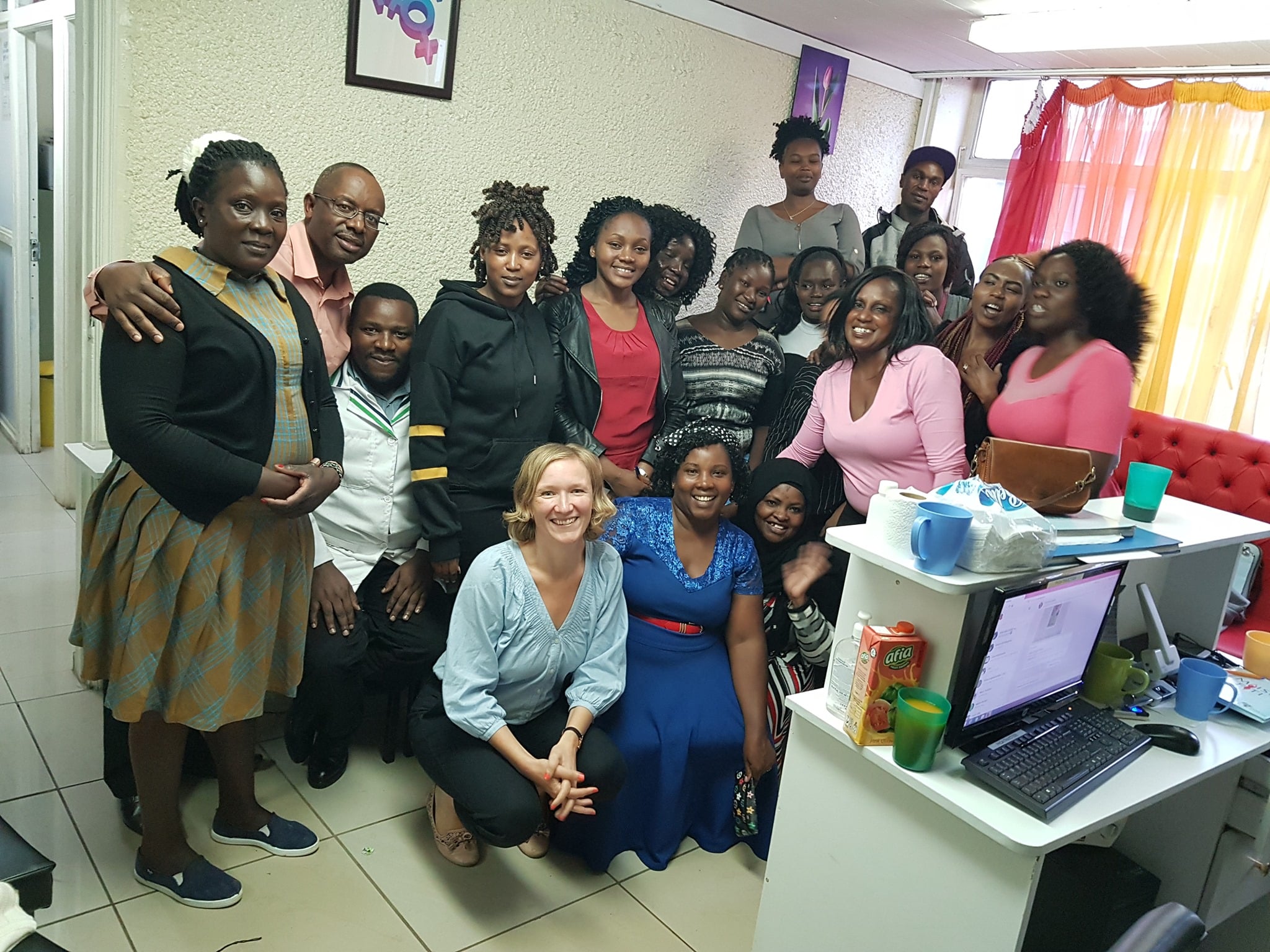
Today the World Health Organization released a document with information on COVID-19 and violence against women. This document outlines how violence against women remains a major threat during emergencies, how COVID-19 can exacerbate risks of violence for women, and how health systems have an important role to play in ensuring services for women who have experienced violence remain safe during the COVID-19 outbreak.
Their call to action outlines what government and policy makers, health facilities, health providers, humanitarian response organizations, community members, and women who are experiencing violence can do to address violence against women during this critical time.
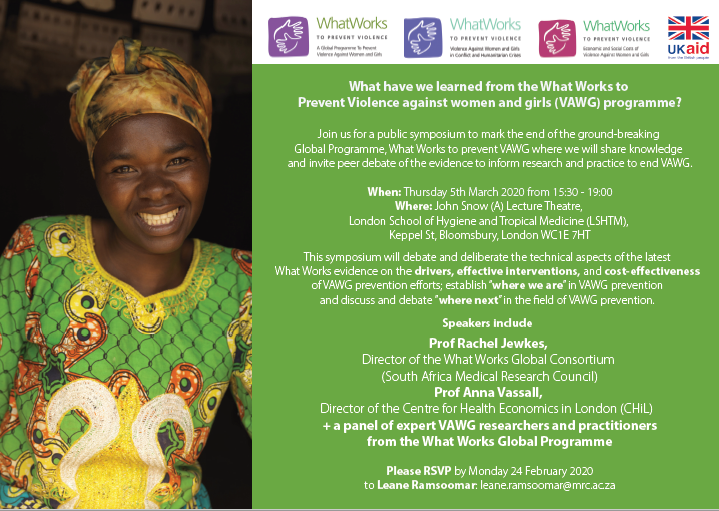
Professor Charlotte Watts and Dr Heidi Stoeckl deliver talk entitled ‘Violence Against Women & Girls and Health’
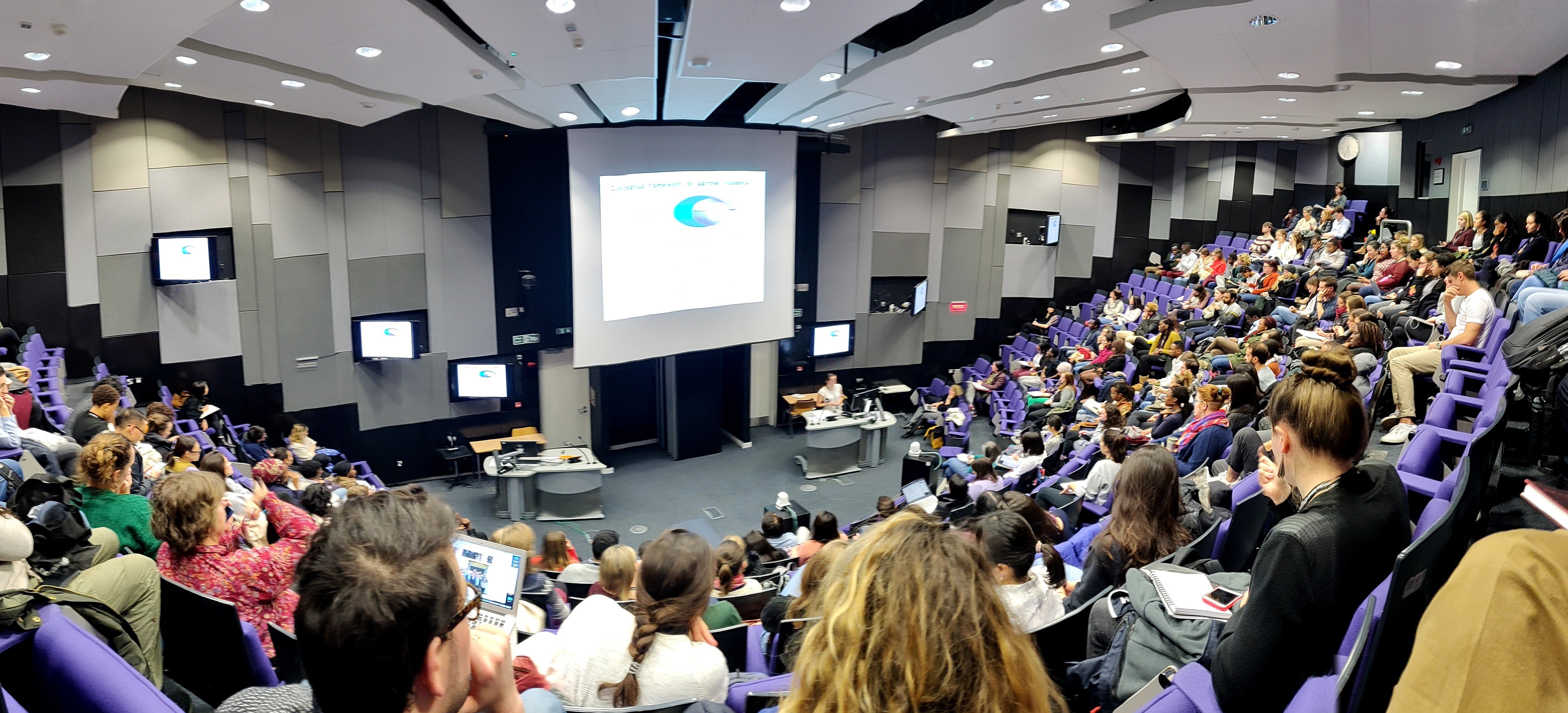
Violence against women and girls - in its multiple forms - is an important human rights abuse, and public health problem. There is a growing body of population based evidence on the prevalence of different forms of violence, with global estimates suggesting that at least one in three women has experienced physical and/or sexual intimate partner violence or non-partner sexual violence in their lifetime, and that every third murdered woman is murdered by an intimate partner. Tackling violence therefore is a policy priority for many governments and international governmental and non-governmental organisations seeking to improve the lives and health of women, children, families and men. Drawing upon the work of the LSHTM Gender, Violence and Health Centre, and the Lancet Series on Violence against Women and Health, that the Centre led, this public health lecture will provide an overview of the conceptualisation and measurement of violence, the prevalence of different forms of violence and their health impacts, and summarise evidence and guidance on effective health sector and prevention strategies.
Their talk will soon appear on https://vimeo.com/channels/ghls
Manuela Balliet, a PhD student based in the GVHC, features on the SVRI website giving her perspective as a young researcher.
Manuela won the Young Researcher Award at this years Sexual Violence Research Initiative (SVRI) Forum, for her presentation: Learn in peace, educate without violence: preliminary evidence for the effects of a brief, school-based violence prevention intervention in Cote d’Ivoire.
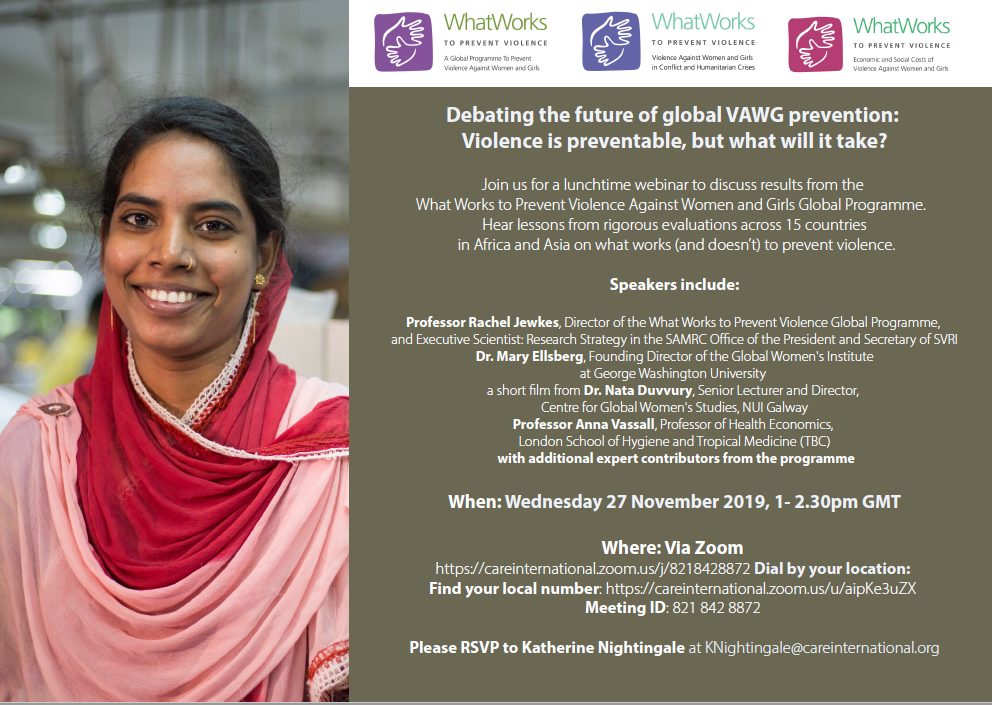
For the 16 Days of Activism against Violence against Women campaign, the Gender Violence and Health Centre hosts and annual seminar series at the London School of Hygiene and Tropical Medicine. This year we are hosting together with King's College London.
The series will begin on the International Day for the Elimination of Violence Against Women (25 November) and will run until Human Rights Day (10 December). Admission is free and open to all. Entry is on a first come, first served basis.
2019 marks the 28th year of the campaign.
25 November, 12:45 - 14:00
LSHTM, Jerry Morris A+B, Tavistock Place
Dr Ana Maria Buller and Marjorie Pichon, 'A closer look at relational aspects of intimate partner violence: Household decision making, romantic jealousy and IPV ‘
28 November, 4pm (reception from 5pm onwards)
Kings College, Robin Murray Lecture Theatre, Institute of Institute of Psychiatry, Psychology and Neuroscience
Dr Sian Oram, ‘Modern Slavery and Mental Health‘
29 November, 12:45 – 14:00
LSHTM, Jerry Morris A+B, Tavistock Place
Dr Tara Beattie, ‘Violence, HIV and Sex Work’
3 December, 12:30 – 13:30
Kings College, Anthony Mann Rm, David Goldberg centre, Institute of Institute of Psychiatry, Psychology and Neuroscience
Dr Kylee Trevillion and Dr Jill Domoney, ‘For Baby’s Sake: Evaluating a whole-family perinatal intervention to break the cycle of domestic abuse.’
5 December, 12:45 – 14:00
LSHTM, Jerry Morris A+B, Tavistock Place
Dr Manuela Colombini and Dr Loraine Bacchus, ‘Domestic violence and health sector responses: a case study from Palestine’
10 December, 12:45 - 14:00
LSHTM, LG80, Keppel St
Mark Marchant, ‘What is empowerment?’
Dr Karen Devries has been promoted to Professor of Social Epidemiology.

Dr Devries specialises in child protection and the prevention of violence against children and adolescents. Her work seeks to develop and test novel ways of reducing violence and improving child and adolescent health, while integrating methodological questions around ethics, safeguarding and the measurement of violence. Her work has been instrumental in raising the profile of violence against children from school staff, and its impact on health.
Manuela Balliet, PhD student in the Child Protection Research Group led by Professor Dr Karen Devries has won the Young Researcher Award at this years Sexual Violence Research Initiative Forum in Cape Town for her presentation: Learn in peace, educate without violence: preliminary evidence for the effects of a brief, school-based violence prevention intervention in Cote d’Ivoire.
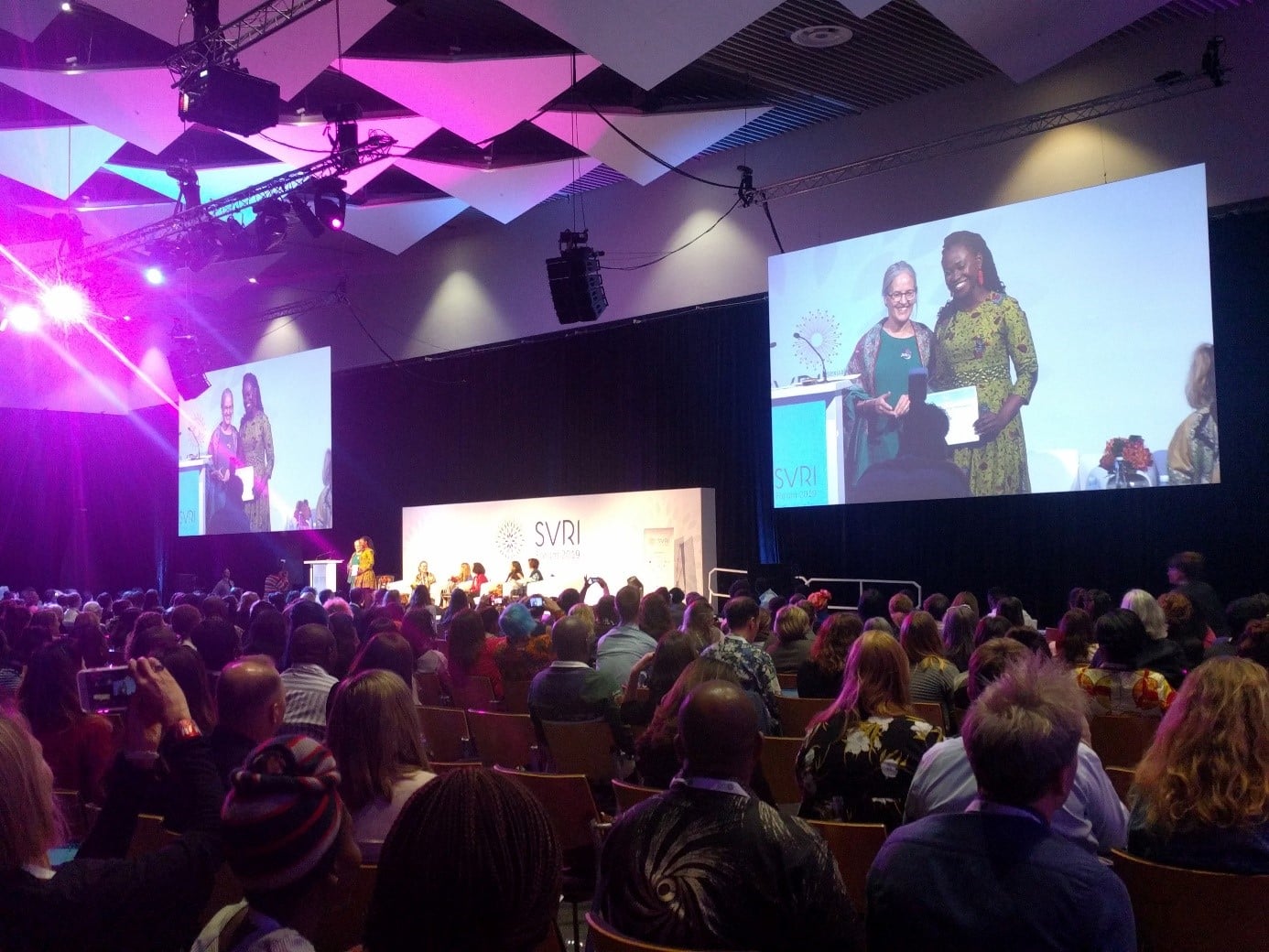
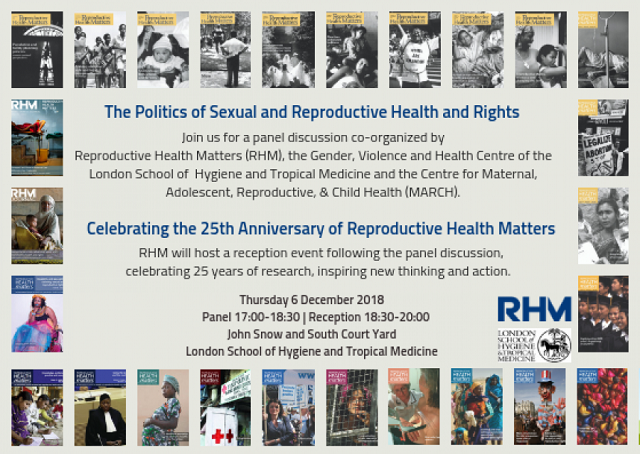
Panel discussion, 6 December 2018
Host: Dr Heidi Stöckl
Moderator: Eszter Kismődi, Chief Executive, Sexual and Reproductive Health Matters journal
Speakers: Dr Faysal El Kak, Vice President of the International Federation of Gynecology and Obstetrics (FIGO), American University of Beirut; Loveday Penn-Kekana, LSHTM; Anne Philpott, Department for International Development; Edwin J Bernard, Global Co-coordinator, HIV Justice Network; Bianka Vida, University of Surrey; and Dr Laura Ferguson, University of Southern California
12 June 2019
GVHC is proud to co-host with UCL the next UK Domestic Violence and Health Research Forum at UCL.
The aim of the UK Domestic Violence and Health forum is to present and share research in the field of domestic violence and health. This includes research in progress, completed research studies and the future direction and challenges arising within these studies, prospective areas of research as well as news and events.
Thursday 20 June 2019, 5pm - 6:30pm
Manson Theatre, London School of Hygiene & Tropical Medicine
Join us to watch and discuss a short film that gives voice to sex workers in Nairobi, Kenya: the violence they face and the ways they are coming together to address it. Learn about an innovative study into violence, HIV risk and mental health among sex workers at this years MRC Festival of Medical Research.
Additional details: We particularly welcome community groups, NGOs and funders focused on sex work, violence against women and women’s rights.
Organisers: MRC grantee Maisha Fiti study, London School of Hygiene & Tropical Medicine
For more information please contact: Dr Tara Beattie and Annie Holmes
The Gender Violence and Health Centre became a WHO Collaborating Centre in January 2019
WHO collaborating centres are institutions such as research institutes, parts of universities or academies. They are designated by the Director-General to carry out activities in support of the WHO’s programmes.
Dr Cathy Zimmerman is a co-investigator for the South-South Migration, Inequality and Development Hub led by Coventry University, which will investigate how migration in the Global South affects inequalities, labour exploitation and development.
Dr Heidi Stöckl is a co-investigator for the University of Oxford’s Accelerating Achievement for Africa’s Adolescents Hub, for which she will lead the evaluation of a complex social intervention on gender-based violence and WASH.
Dr Mazeda Hossain is a co-principal investigator, and Dr Loraine Bacchus is co-investigator on the Gender, Justice and Security Hub where they will lead a work package on methodological innovations. The Hub, led by the London School of Economics and Political Science, seeks to advance sustainable peace by developing an evidence-base around gender, justice and inclusive security in conflict-affected societies.
Dr Loraine Bacchus is co-principal investigator and co-director and Dr Manuela Colombini, co-investigator of the NIHR Global Health Group on Health System Responses to Violence Against Women with the University of Bristol. The group are developing and testing interventions in sexual and reproductive health settings in Brazil, Nepal, Sri Lanka and the occupied Palestinian Territory.
Dr Charlotte Watts and Dr Heidi Stöckl presented at the LSHTM Global Health Lecture on 18 February 2019.
GHLS: Gender- based violence and health 18-02-2019 from LSHTM on Vimeo.